

 English
 Español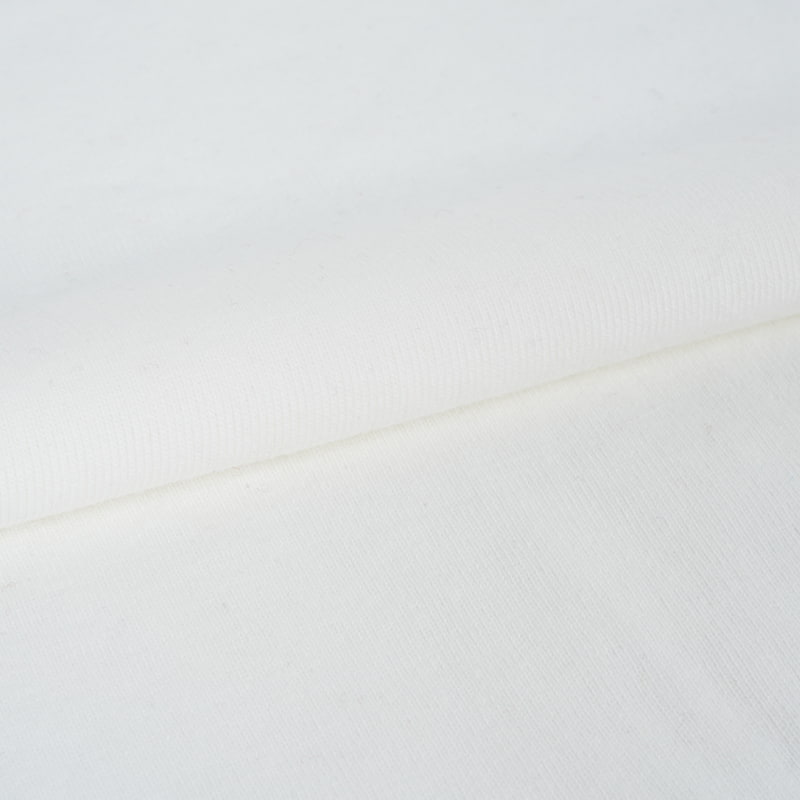
Every spring our inbox in Keqiao fills with the same question from buyers: which fabrics will actually keep people cool once the temperature climbs past 35°C? After more than ten ...
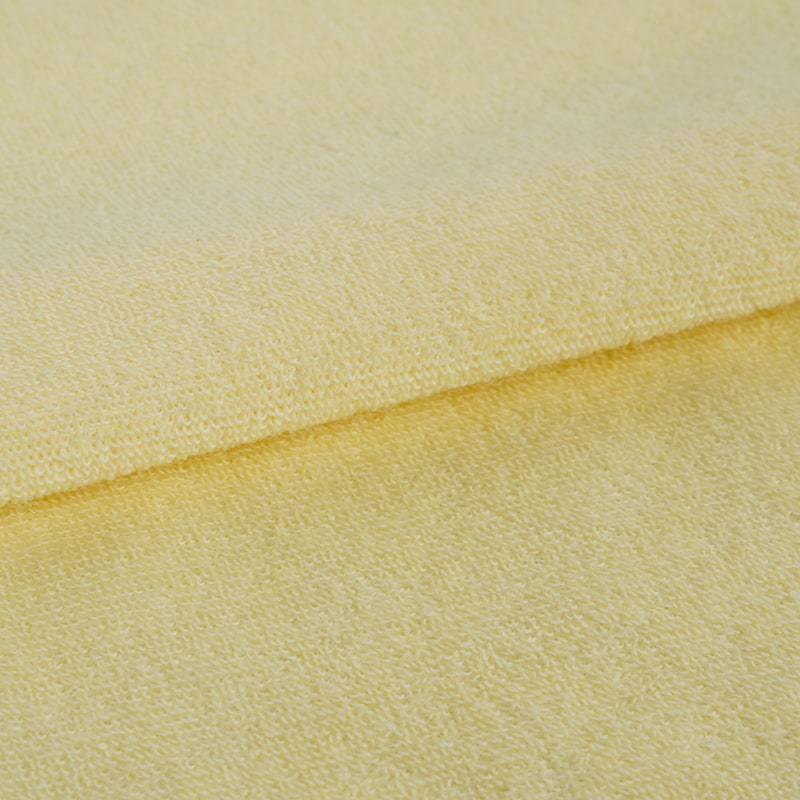
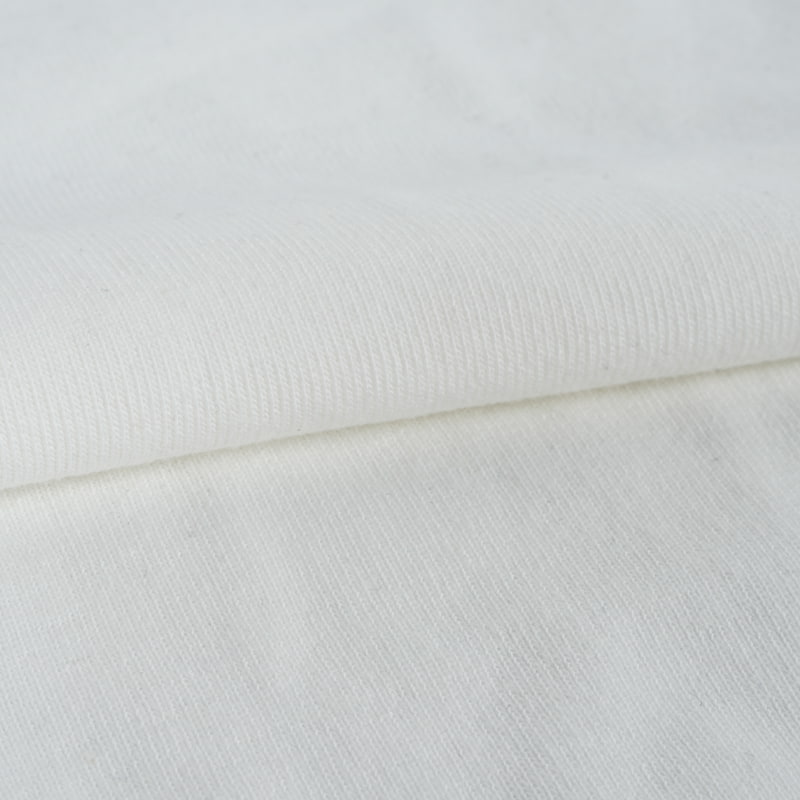
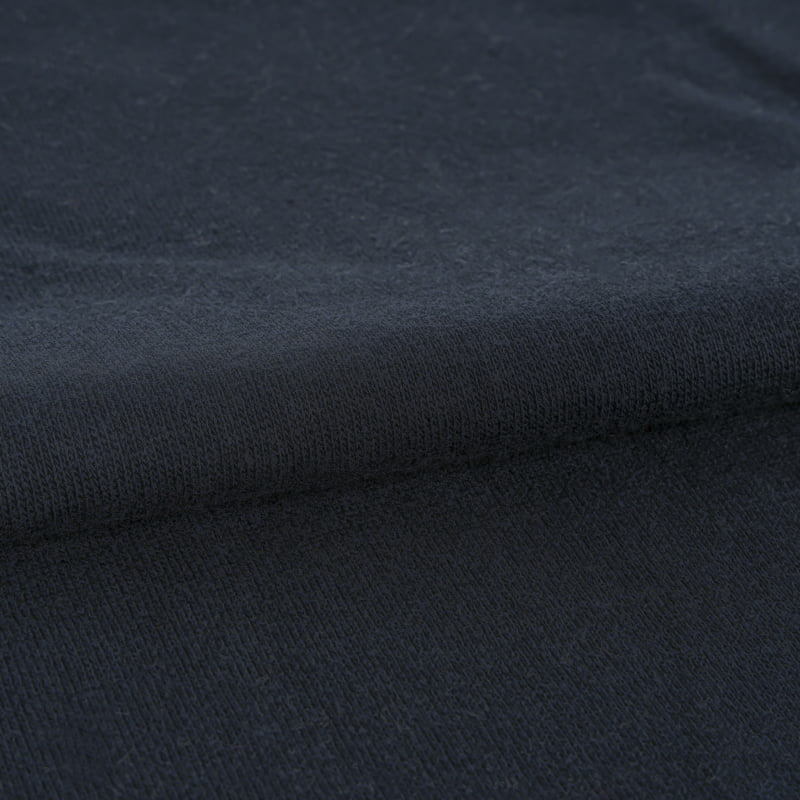
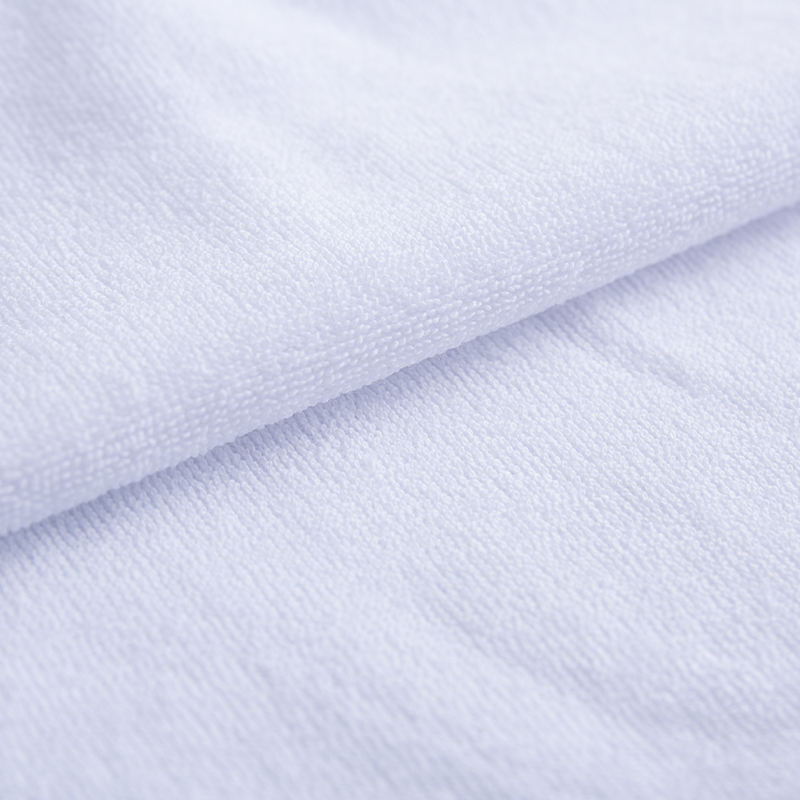
READ MOREHigh quality knitted terry cloth features a full and dense loop structure, with a clear and three-dimensional texture. It feels soft, fluffy, and skin-friendly without scratching; the knitting itself provides good elasticity, with good rebound and resistance to tightness. It is moisture-wicking and breathable, with excellent water retention performance. The surface is smooth, with high color fastness, and it is washable, resistant to pilling, and not prone to deformation. It is widely used in home wear, sweaters, casual suits, bath towels, baby products, cleaning fabrics, etc., making it versatile and multi-purpose.
Every spring our inbox in Keqiao fills with the same question from buyers: which fabrics will actually keep people cool once the temperature climbs past 35°C? After more than ten ...
READ MOREBamboo fabric has earned a reputation as one of the most versatile materials in modern textiles, yet the term "bamboo" covers a range of fibers with noticeably different performan...
READ MORECheck patterns are everywhere: on the shirt in a meeting, the sofa in a hotel lobby, the blanket in the back of a car. Yet most people, including plenty of people who buy fabric f...
READ MORETerry Fleece Fabric is constructed through a carefully engineered fiber system that defines its tactile performance, structural stability, and long-term usability across multiple textile applications. The primary fiber selection in Knit Terry Cloth Fabric and Stretch Terry Cloth production generally includes cotton, polyester, and elastane blends, where each component contributes distinct mechanical and functional advantages. Cotton fibers provide natural softness, hydrophilic behavior, and breathable micro-structures that allow air and moisture exchange. Polyester fibers introduce tensile strength, dimensional stability, and resistance to deformation, ensuring that the fabric maintains structural consistency during repeated mechanical stress and laundering cycles. Elastane fibers are integrated in controlled proportions to produce Stretch Terry Cloth systems with enhanced elasticity and recovery behavior, allowing garments to maintain fit integrity during dynamic movement.
In the production systems of Shaoxing Keqiao Ruijue Textiles Co., Ltd., fiber blending ratios are adjusted based on end-use requirements of Terry Fleece Fabric, particularly for sportswear, casualwear, and home textile applications. The blending design also considers environmental performance, where regenerated fibers and eco-optimized polyester variants are introduced to reduce ecological footprint while maintaining mechanical performance standards. The internal fiber arrangement is engineered to ensure uniform dispersion throughout the yarn matrix, preventing localized stiffness or inconsistency in texture. This structural balance allows Knit Terry Cloth Fabric to maintain stable loop formation during knitting and finishing processes. The fiber composition also determines thermal regulation behavior, as cotton enhances moisture absorption while polyester improves quick-drying characteristics. By controlling fiber diameter, staple length, and cross-sectional morphology, Shaoxing Keqiao Ruijue Textiles Co., Ltd. ensures that Terry Fleece Fabric achieves a balanced combination of softness, resilience, and durability suitable for global textile markets.
| Parameter | Standard Range | Functional Purpose | Application Focus |
|---|---|---|---|
| Fiber Composition | Cotton 60–80% / Polyester 15–35% / Elastane 2–8% | Balances softness, strength, and stretch recovery | Sportswear, casualwear, loungewear |
| Yarn Type | Ring-spun / Core-spun / Compact-spun | Defines surface smoothness and durability | Knit Terry Cloth Fabric systems |
| Yarn Count (Ne) | 10s–40s | Controls fabric thickness and fineness | Lightweight to heavyweight fabrics |
| Twist Level (TPM) | 300–900 TPM | Adjusts strength vs softness balance | Stretch Terry Cloth optimization |
Yarn engineering is a central element in the development of Terry Fleece Fabric, Knit Terry Cloth Fabric, and Stretch Terry Cloth, as it directly influences loop formation stability, surface smoothness, and mechanical durability. Yarn production involves multiple spinning technologies, including ring spinning, compact spinning, and core-spun spinning systems. Ring-spun yarns are widely used due to their smooth surface structure and balanced twist distribution, which enhances softness and reduces pilling tendencies in finished fabric. Compact spinning further refines fiber alignment, reducing hairiness and improving fabric clarity, which is particularly important for high-grade Knit Terry Cloth Fabric applications.
Core-spun yarns are essential in Stretch Terry Cloth production, where elastane filaments are wrapped with cotton or polyester fibers. This structural configuration allows elastic recovery while maintaining a natural textile surface appearance. The twist level of yarns is carefully controlled to achieve equilibrium between tensile strength and surface softness. Lower twist levels increase absorbency and softness in Terry Fleece Fabric, while higher twist levels improve abrasion resistance and structural integrity. Shaoxing Keqiao Ruijue Textiles Co., Ltd. applies precision spinning control systems to ensure uniform yarn diameter and consistent mechanical performance across production batches.
Yarn evenness is monitored to prevent irregular loop formation during knitting, as uneven yarn distribution can lead to inconsistent pile height and fabric instability. The integration of advanced spinning technology ensures that Knit Terry Cloth Fabric maintains uniform loop density and smooth surface texture. Additionally, anti-static fiber treatments are applied during spinning stages to reduce electrostatic accumulation in finished fabrics. Yarn reinforcement strategies also include controlled blending of synthetic fibers to improve tensile strength without compromising softness. Through these engineered yarn systems, Terry Fleece Fabric achieves a balanced structural framework suitable for both lightweight apparel and heavy-duty textile applications.
| Parameter | Standard Range | Functional Purpose | Application Focus |
|---|---|---|---|
| Fabric Weight (GSM) | 180–450 GSM | Controls warmth and fabric thickness | Seasonal apparel classification |
| Stretch Ratio | 20%–80% (bi-directional) | Ensures flexibility and shape retention | Activewear and fitted garments |
| Loop Height | 1.2–3.5 mm | Affects absorbency and surface texture | Terry Fleece Fabric comfort level |
| Air Permeability | 150–600 mm/s | Regulates breathability and ventilation | Sportswear and daily wear applications |
The knitting architecture of Terry Fleece Fabric is based on circular knitting systems that create a three-dimensional looped structure essential for functional performance. Knit Terry Cloth Fabric is typically constructed using ground yarn, loop yarn, and binding yarn systems that operate in synchronized motion during production. The ground yarn forms the base structure, providing dimensional stability, while loop yarn generates the raised pile surface that defines the characteristic texture of Terry Fleece Fabric. Binding yarn secures loop formation, preventing structural collapse during mechanical stress or washing cycles.
Loop geometry is a critical parameter in Stretch Terry Cloth production, where loop height, density, and spacing determine softness, absorbency, and thermal insulation behavior. High-loop structures increase moisture retention capacity and enhance tactile softness, while compact loop arrangements improve durability and reduce fabric bulkiness. Shaoxing Keqiao Ruijue Textiles Co., Ltd. applies advanced sinker selection and needle gauge optimization to control loop consistency across different fabric grades.
The knitting tension system is calibrated to maintain uniform yarn feeding, preventing loop distortion or uneven pile distribution. Multi-feed circular knitting machines allow simultaneous integration of different yarn types, enabling hybrid structures within Terry Fleece Fabric. This supports functional customization such as zoned elasticity or differential thickness across fabric surfaces. The loop formation process also influences air permeability, as loop density determines airflow channels within Knit Terry Cloth Fabric. Structural reinforcement is achieved through controlled loop anchoring techniques that enhance resistance to deformation. These engineering mechanisms ensure that Stretch Terry Cloth maintains both flexibility and structural integrity across repeated usage cycles.
Terry Fleece Fabric exhibits a dual-surface structure consisting of an outer looped surface and an inner brushed fleece surface, each serving distinct functional roles. The looped surface of Knit Terry Cloth Fabric is designed for moisture absorption and airflow regulation. Each loop acts as a micro-capillary channel that captures and distributes moisture across the fabric surface. This structural design enhances evaporative cooling and prevents localized dampness during physical activity. The loop arrangement also contributes to visual texture, giving Stretch Terry Cloth its characteristic aesthetic appearance used widely in sportswear and casual apparel.
The inner brushed surface undergoes mechanical brushing treatment, where loop fibers are transformed into a dense fleece layer. This process increases surface contact area, enhancing thermal insulation and tactile softness. Shaoxing Keqiao Ruijue Textiles Co., Ltd. controls brushing intensity to maintain fiber integrity while achieving uniform fleece density. Over-brushing is avoided to prevent fiber damage, while under-brushing is adjusted to ensure adequate softness levels in Terry Fleece Fabric.
The dual-surface configuration allows Knit Terry Cloth Fabric to function as both moisture management and thermal regulation material. Air pockets formed between loop and brushed layers enhance insulation efficiency while maintaining breathability. This structural synergy is particularly beneficial in Stretch Terry Cloth applications, where comfort and performance must coexist. The balance between loop retention and brushed fiber density is carefully optimized to achieve consistent fabric behavior across different environmental conditions.
Grammage control is a fundamental aspect of Terry Fleece Fabric production, influencing thermal performance, durability, and garment suitability. Knit Terry Cloth Fabric is produced across a wide GSM range, allowing adaptation to seasonal and functional requirements. Lightweight fabrics are engineered for breathable summer garments, medium-weight fabrics for all-season apparel, and heavyweight Stretch Terry Cloth for winter insulation applications.
Fiber density within the fabric structure determines air retention capacity and thermal efficiency. Higher density structures trap more air within loop formations, enhancing insulation, while lower density configurations improve ventilation and drying speed. Shaoxing Keqiao Ruijue Textiles Co., Ltd. applies precision fabric weighing systems to ensure consistent GSM control across production batches.
Density uniformity is achieved through controlled yarn feeding rates and stable knitting tension. Variations in density can lead to uneven thermal distribution or structural imbalance, which is minimized through automated monitoring systems. The integration of consistent density control ensures that Terry Fleece Fabric maintains stable performance characteristics regardless of production scale.
Elastic performance in Stretch Terry Cloth is achieved through integrated elastane fiber systems combined with engineered knitting patterns. The elastic recovery mechanism allows fabric deformation under tension followed by rapid restoration of original shape. This property is essential for maintaining garment fit in dynamic movement scenarios.
Shaoxing Keqiao Ruijue Textiles Co., Ltd. develops bi-directional and multi-directional stretch structures within Terry Fleece Fabric systems. Horizontal and vertical elasticity are controlled independently through yarn placement and loop configuration. Core-spun elastane yarns ensure consistent stretch behavior while maintaining surface smoothness in Knit Terry Cloth Fabric.
Heat-setting processes are applied to stabilize elastic memory, ensuring long-term durability of Stretch Terry Cloth under repeated mechanical stress. Elastic fatigue resistance is enhanced through optimized fiber distribution, preventing localized overstretching or deformation. This structural design supports performance apparel applications requiring high mobility and shape retention.

 Address: Xinglian Village, Fuquan Street, Keqiao District, Shaoxing City, Zhejiang Province, China.
  Phone: +86-15958501675
  Email: [email protected]
For exclusive deals and latest offers, sign up by entering your email address below.
Coprright © Shaoxing Keqiao Ruijue Textiles Co., Ltd. All Rights Reserved. Cutsom Knit Terry Cloth Fabric Suppliers
