Content
Silk has a quiet authority. It reflects light, follows the body, and holds color with a depth few other fibers can match. When that silk is shaped, bound, folded, or stitched before dyeing, the result is shibori: a family of Japanese resist-dyeing techniques that turn cloth into a record of the maker's hands. The phrase shibori silk is often used loosely today, so it helps to separate the traditional craft from the commercial textures it inspires. At our mill in Keqiao, we work mainly with knitted fabrics, but shibori comes up regularly when buyers want surface character that feels irregular, soft, and human rather than digitally perfect.
Strictly speaking, shibori is not a weave or a print. It is a process. The Japanese verb shiboru means to wring, squeeze, or press, and the name covers many ways of manipulating fabric before it enters the dye bath. Silk is a natural partner because it accepts dye beautifully, drapes softly, and can carry both sharp clamp marks and gentle pleat shadows. Traditional shibori silk is usually dyed with indigo, though modern makers also use other natural or synthetic dyes.
The important point is that the pattern comes from resist, not from a printing screen. Cloth is bound, folded, clamped, stitched, or pleated so that some areas take dye and others stay lighter. When the resists are removed, the silk keeps a memory of the process: tiny rings, storm-like diagonals, soft dots, or fine stitched lines. Two pieces can use the same technique and still look different. In the traditional context, that irregularity is not a defect. It is the signature.
Historically, shibori grew from practical need as much as artistic ambition. Early Japanese makers used resist dyeing to refresh faded, stained, or damaged clothing, giving old cloth a new surface and a longer life. Over time, the techniques moved into professional craft, especially during the Edo period, when indigo dyeing and kimono culture encouraged great refinement. Artisans developed bound-resist methods that could produce elaborate patterns on silk kimono and obi, and the craft became associated with patience, precision, and a close reading of cloth.
Today, studio artists and textile designers continue the tradition in small batches, while commercial mills interpret the look through printing, jacquard weaving, and textured finishing. Those versions can be beautiful, but they are not the same thing as hand-bound shibori. Knowing which one you are buying matters for price, lead time, care, and the story you can honestly tell.
Not every shibori pattern is made in the same way. The table below gives a practical overview of five well-known resist methods and the details a buyer should inspect on silk cloth.
| Technique | Resist method | Typical look | What to check |
|---|---|---|---|
| Arashi shibori | Cloth wrapped around a pole and bound with thread before dyeing | Diagonal pleats, storm-like streaks, soft gradation | Pleat direction, dye penetration, no bruising or hard creases |
| Itajime shibori | Cloth folded and clamped between boards or shapes | Geometric repeats, mirror-like motifs, crisp edges | Clean clamp edges, even pressure, symmetrical placement |
| Kanoko shibori | Small points of cloth bound with thread | Dotted rings, soft circular marks | Dot size, spacing, and consistency across the piece |
| Nui shibori | Thread stitched through cloth and pulled tight | Fine lines, organic contours, stitch-like shadows | Stitch clarity, thread marks, no unwanted puckering |
| Kumo shibori | Cloth pleated and bound in sections | Spiderweb-like bursts, radial texture | Center definition, pleat balance, no crushed fibers |
These are broad categories, and many artists combine them. A supplier may also use the word shibori for a digital print that merely imitates the look. Always ask for the process name and a sample of the actual production method.
Silk responds to shibori in a way few fibers can. The fiber is a protein, and it takes dye with rich, saturated color while keeping a natural luster. Silk also has memory: when it is folded, bound, and released, it tends to hold soft creases and sculptural shadows instead of springing back flat. Lightweight silk habotai, crepe de chine, and georgette are common choices because they allow dye to move through the cloth and show the resist marks clearly. Heavier silks can produce bolder shapes but may need more careful binding to avoid permanent hard lines.
Momme weight, weave density, and stretch all affect the final hand. A buyer should ask not only for the pattern but also for the base silk. A beautiful shibori effect on a poor base cloth will still disappoint in cutting, sewing, and wear. For apparel, check drape, seam behavior, and whether the cloth has enough body for the intended garment. For accessories, consider how the silk will crease and whether the resist marks will remain visible after construction.
Hand-dyed shibori is not a repeat-print product, so quality control should focus on intention rather than perfection. Start with color. Indigo and other dyes can look uneven in a way that is deliberate, but the color should still read as saturated and stable, not patchy or tired. Ask about dye class, after-treatment, and colorfastness tests, especially crocking and washing. Rub a white cloth against a sample to see how much color transfers.
Next, examine the resist marks. They should be clear enough to show the technique but not so hard that the silk feels bruised. Look for broken fibers, crushed edges, or needle marks that read as accidents rather than texture. Then check the hand. The cloth should still drape, move, and feel like silk, not board. Finally, test shrinkage and seam performance on a small cutting. Ask whether the pattern is hand-bound, stitched, clamped, or digitally printed, and request production samples rather than only showroom pieces. The process determines price, lead time, repeatability, and care.
True shibori silk deserves gentle treatment. Dry cleaning is the safest route for many indigo-dyed and structured pieces, especially if the garment has lining, stitching, or mixed materials. For simpler silk accessories, cold hand washing with a pH-neutral detergent may be possible, but test first. Do not wring or twist the cloth. Press water out between towels, then dry flat away from direct sun.
Store in a breathable bag, away from sharp edges and long periods of strong light. Indigo can crock or bleed slightly, particularly in humid conditions, so avoid pairing a new deep-indigo piece with pale clothing until you have tested it. Modern dyeing can reduce these risks, but it does not erase them. Ask the maker for specific care guidance and treat the irregular surface as part of the character, not as a flaw to be corrected.
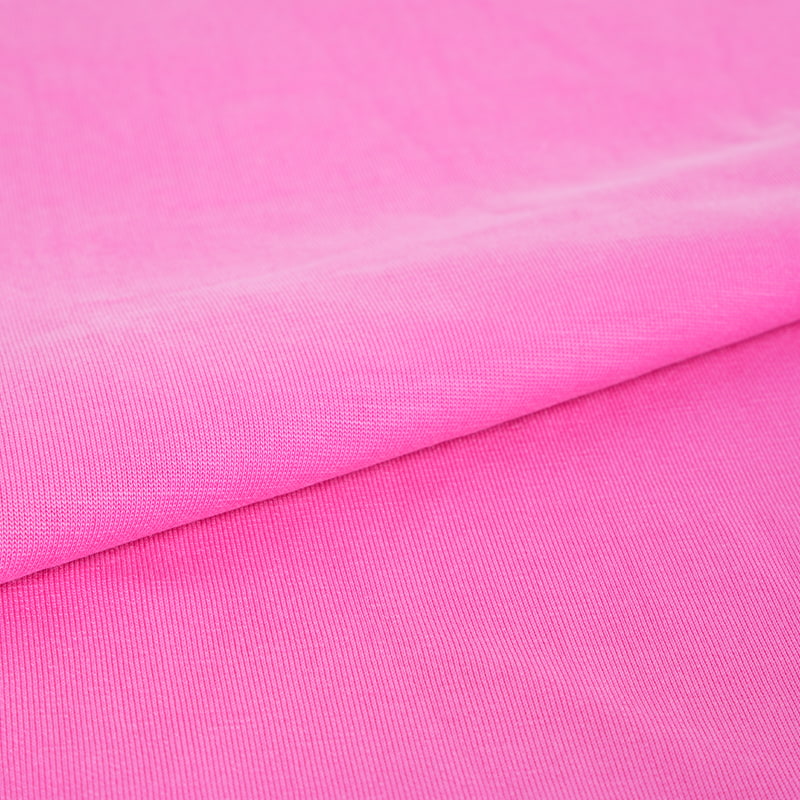
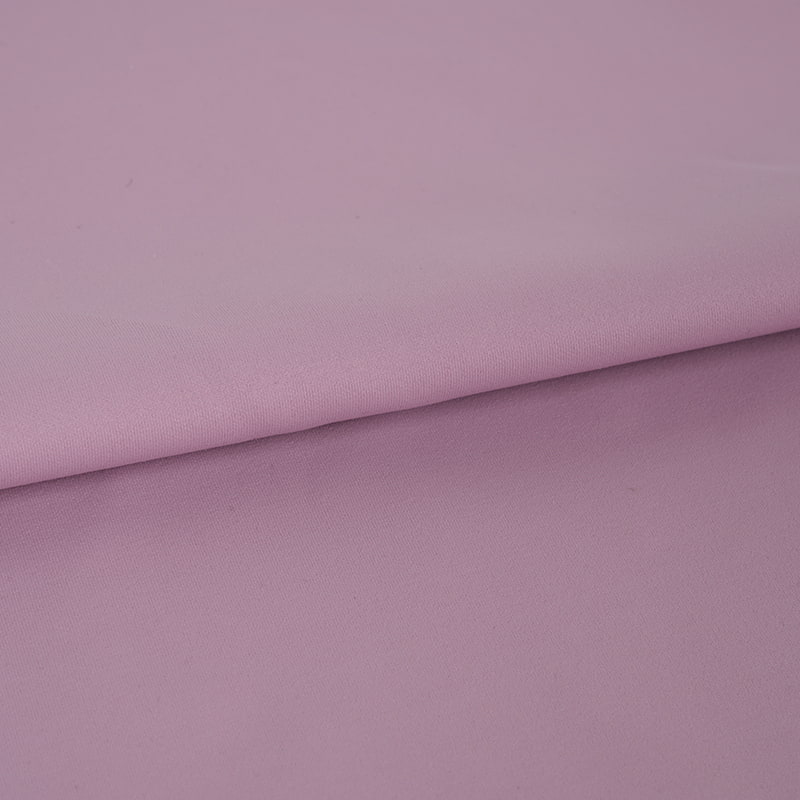
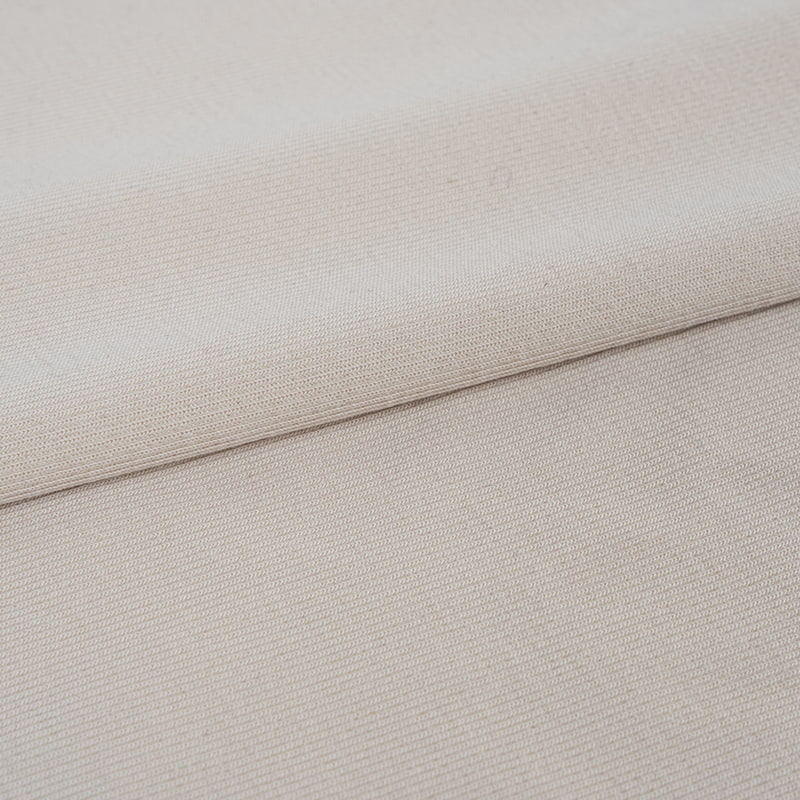
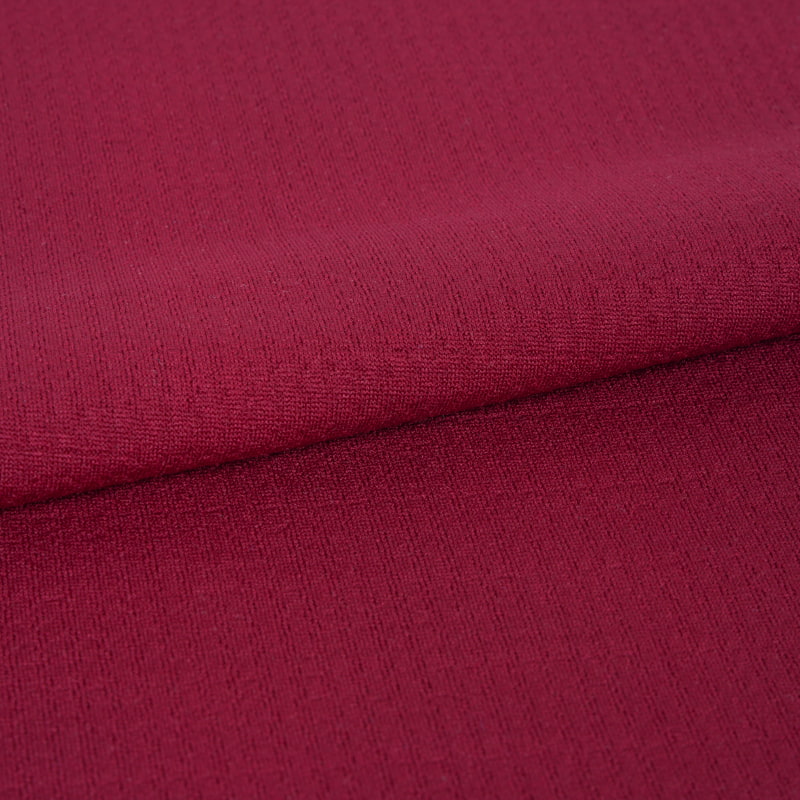
Not every product needs literal shibori silk. Many buyers come to us because they love the mood of shibori: the soft irregularity, tonal depth, and sculpted surface, but they need a knitted fabric that can be cut, sewn, and produced at a different price point. That is a design conversation, not a substitution. We are a knitted fabric supplier, not a traditional silk shibori workshop, and we are careful not to blur the difference.
What we can do is develop textures that echo some of the same visual language. Crinkle knits, sand-washed surfaces, and wavy jacquard patterns can create shadow and movement without pretending to be hand-bound silk. If you are exploring that route, our notes on sand-washed fabric explain how the finish changes hand and appearance. A stretch warp-knitted crinkle fabric can carry a pleated, light-catching surface for soft separates and dresses.
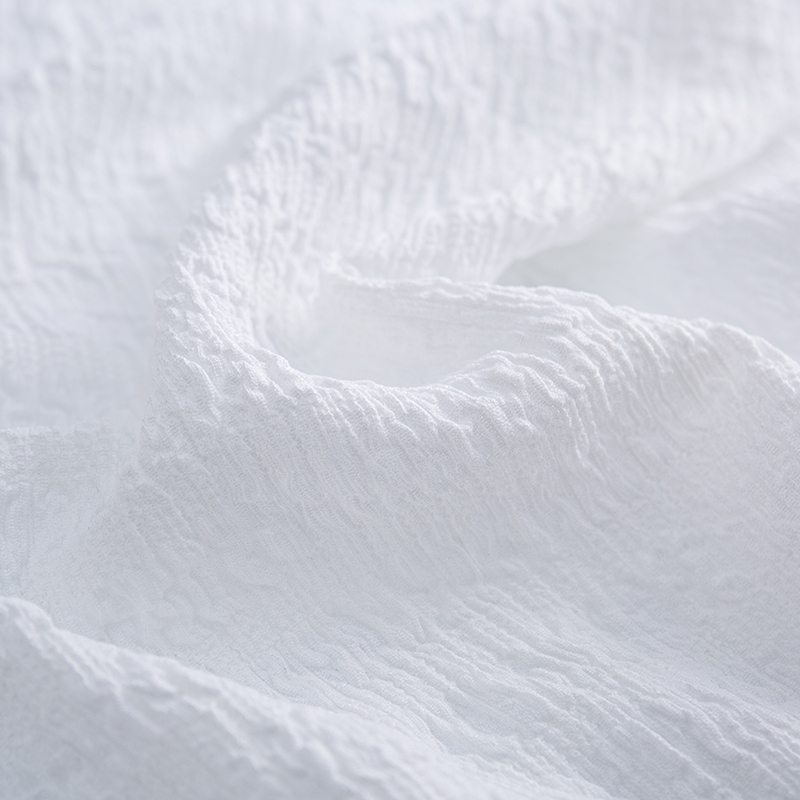 Stretch Warp-Knitted Crinkle Fabric for ApparelLightweight polyester-spandex fabric with a soft crinkle surface, natural stretch, and shape recovery; suited to dresses, tops, and activewear.View Product →
For a softer, more matte effect, a sand-washed modal-polyester air layer can give a washed surface and a comfortable weight for tops, loungewear, and light outerwear.
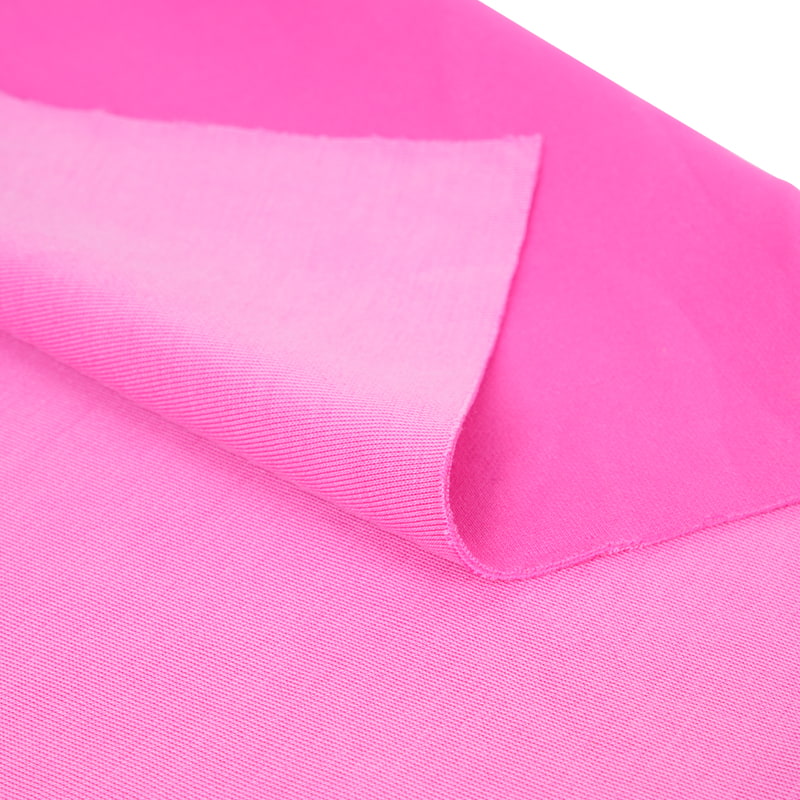 Sand-Washed Modal Polyester Air Layer FabricSoft matte modal-blend air layer at 240–250 GSM with a washed surface and comfortable weight, ideal for tops, loungewear, and light outerwear.View Product →
If the goal is pattern rather than crinkle, a gray wavy jacquard can suggest the rhythm of resisted cloth while remaining a woven knit design.
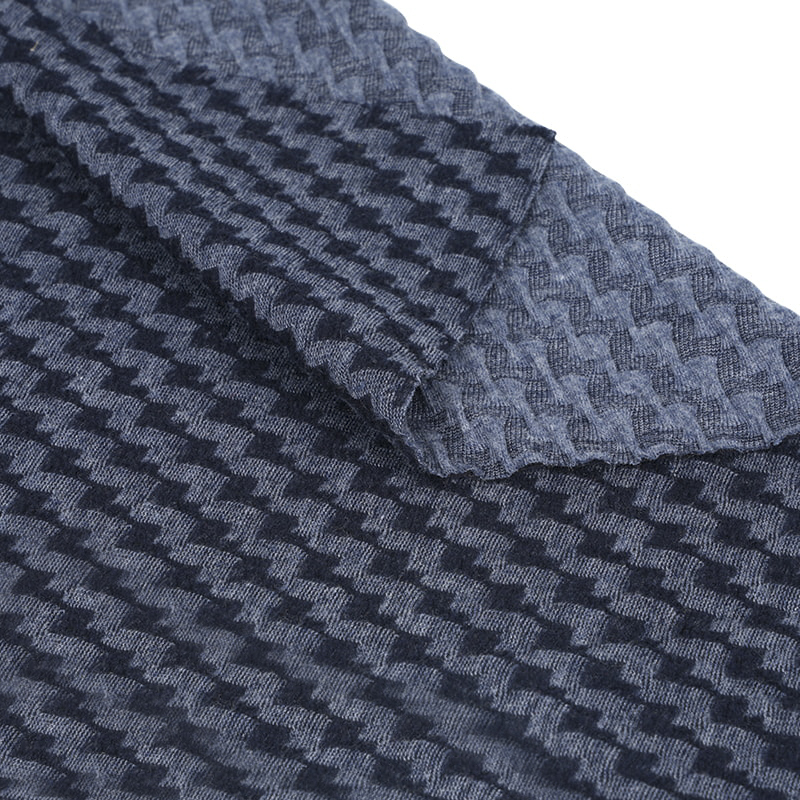 Gray Wavy Jacquard Fabric for Garments77% polyester, 18% rayon, 5% spandex jacquard at 210 GSM with a wavy pattern, suitable for dresses, shirts, jackets, and wholesale apparel.View Product →
The key is to be transparent about what the fabric is. A customer who expects hand-dyed silk will be disappointed by a knit, however beautiful. A customer who wants a shibori-inspired texture with knit performance may find exactly what they need. That distinction protects both the craft and the commercial relationship.
Before you approve a shibori silk order, confirm the base fiber and silk weight; the resist method or whether it is a print; dye type and colorfastness reports; hand, drape, and shrinkage; care instructions; and production lead time. For a shibori-inspired knit, confirm the same practical points, plus stretch recovery, pilling resistance, and the intended garment category. A good supplier will welcome these questions because they prevent costly surprises after bulk production.
Traditional shibori is a craft of control and release: the maker shapes the cloth, but the cloth also has a say. That balance is what makes it compelling. When sourcing, look for partners who respect that balance, describe materials honestly, and can show you the process behind the surface.

 Address: Xinglian Village, Fuquan Street, Keqiao District, Shaoxing City, Zhejiang Province, China.
 Phone: +86-15958501675
 Email: [email protected]
For exclusive deals and latest offers, sign up by entering your email address below.
Coprright © Shaoxing Keqiao Ruijue Textiles Co., Ltd. All Rights Reserved. Custom Jacquard Jersey Fabric Manufacturers



 English
 Español