Content
Jacquard vs damask is one of those questions that sounds simple until you are holding two fabrics that look almost alike. A buyer sees a raised floral pattern, a soft sheen, and a convincing hand, and asks which one it is. The useful answer is not a coin toss. Jacquard and damask describe different things, and once you separate them, choosing the right fabric for a garment, home textile, or upholstery program becomes much easier.
Jacquard is a patterning system, not a single fabric. On a woven jacquard loom, each warp end can be lifted independently, so the pattern is built into the cloth instead of being printed or embroidered on top. That is why jacquard can produce anything from a small geometric motif to a large multi-color floral, a textured double cloth, or a structured apparel fabric. The same logic appears in knitting: a circular jacquard machine selects needles to create color blocks or raised effects. If you want the technical picture, our note on how jacquard fabric is made walks through the loom and the pattern draft. For sourcing, the key point is that “jacquard” tells you how the pattern is formed, not what the fabric will feel like, cost, or be used for.
Damask is a specific figured fabric. Its classic form has a smooth, lustrous ground and a flat, matte pattern, usually in one color, and the design is reversible: the back shows the same motif in reverse, with the light and shade swapped. Traditional damask is woven on a jacquard loom, which is why people say, correctly, that damask is a type of jacquard fabric. The reverse is not true. A jacquard can be a damask, but it can also be a brocade, a tapestry-style cloth, a blister fabric, a rib jacquard, or a stretch knit with a patterned surface. Damask is therefore the narrower term: it describes a particular look and structure, while jacquard describes the machinery and patterning capability behind it.
When buyers compare the two, the confusion usually comes from treating them as parallel categories. They are not. One is a broad production method; the other is a recognizable fabric type within that method. The table below keeps the distinction practical.
| Question | Jacquard | Damask |
|---|---|---|
| What the term describes | A patterning mechanism or fabric made with it | A figured fabric with a reversible, tone-on-tone design |
| Relationship | Broad family | A subset of jacquard |
| Pattern range | Geometric, floral, abstract, multi-color, textured, layered | Usually classic floral or scroll motifs, often single-color |
| Surface and reversibility | Can be flat, raised, looped, quilted, or one-sided | Typically smooth and reversible, with the back showing the pattern in reverse |
| Typical fibers | Polyester, viscose, cotton, wool, nylon, elastane, and blends | Silk, linen, wool, cotton, viscose, and blends |
| Common uses | Apparel, knitwear, upholstery, bags, home textiles, craft | Table linen, bedding, upholstery, formalwear, decorative textiles |
| Buyer check | Pattern repeat, colorfastness, stretch, shrinkage, float length | Face-and-back match, pattern clarity, float structure, fiber and finish |
Damask is a study in restraint. The pattern usually emerges through the contrast between a glossy ground and a matte motif, not through a loud print or heavy embroidery. Turn the cloth over and the motif should still be there, reversed but readable. If the back is a messy jumble of long floats or loose color ends, it is probably not a true damask in the traditional sense. Jacquard is much freer. It can be multi-colored, highly textured, lightly raised, or almost flat. It can be reversible, but it does not have to be. A jacquard knit may have a clear face and a plainer back, while a woven jacquard upholstery may use thick yarns for a sculpted effect. That flexibility is valuable, but it also means the word “jacquard” alone does not tell you enough about appearance or performance.
Damask usually relies on satin or sateen-style areas to create its sheen, with the pattern formed by contrasting weave zones. The result tends to feel smooth, dense, and relatively flat. Good damask has a crisp definition at the edge of each motif and a clean, orderly reverse. Jacquard can borrow from plain weave, twill, satin, double cloth, terry, or knit construction. Its hand can be soft and drapey, firm and structured, stretchy, spongy, or brushed. This is why two jacquards can feel completely different in the showroom. For apparel, check how the fabric falls and recovers; for upholstery, check abrasion and seam stability. For damask, look closely at the pattern edges and the back before you judge the face.
Fiber choice changes the story more than the label does. A silk damask and a polyester damask may share a visual language, but they will not share care requirements, price, or durability. Traditional damask has been made in silk, linen, wool, and cotton; modern versions often use viscose, polyester, or blends to improve stability and cost. Jacquard covers an even wider fiber map, from fine wool and acrylic blends to polyester-spandex knits with stretch and recovery. Always judge the fabric by its full specification: fiber content, weight, construction, finish, shrinkage, pilling, and colorfastness. A beautiful pattern will not save a fabric that is wrong for the end use.
Damask has a natural home in table linen, bedding, decorative cushions, upholstery, and formal or occasionwear where a subtle, reversible pattern adds depth without noise. Jacquard is broader. It works in dresses, tops, knitwear, outerwear, structured bags, throws, upholstery, and craft projects. In knit form, jacquard can add stretch, warmth, or a sculpted surface to activewear and casual garments. If a supplier offers a stretch knit “damask,” ask what they mean. Usually it is a damask-look jacquard pattern rather than a traditional woven damask. That is not a problem, but it is a different product with different behavior.
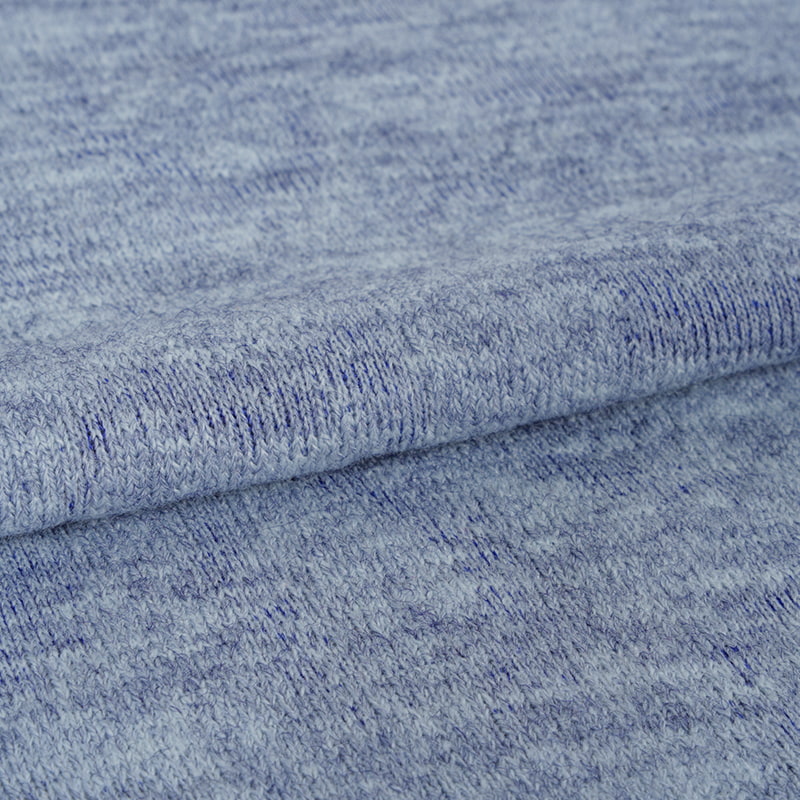
In our work at Ruijue Textiles, we see the jacquard label used across a very wide range of knitted fabrics. Our jacquard fabric collection includes elastic jacquard, breathable warm jacquard, acrylic-wool jacquard, plaid brushed jacquard, and machine-washable white jacquard, among others. That variety is useful, but it also means the brief has to be specific: end use, hand feel, stretch, color, and care all matter. If you are comparing a damask-inspired look with a true woven damask, start by asking whether the fabric needs to be reversible, whether it will be washed often, and whether stretch is part of the design.
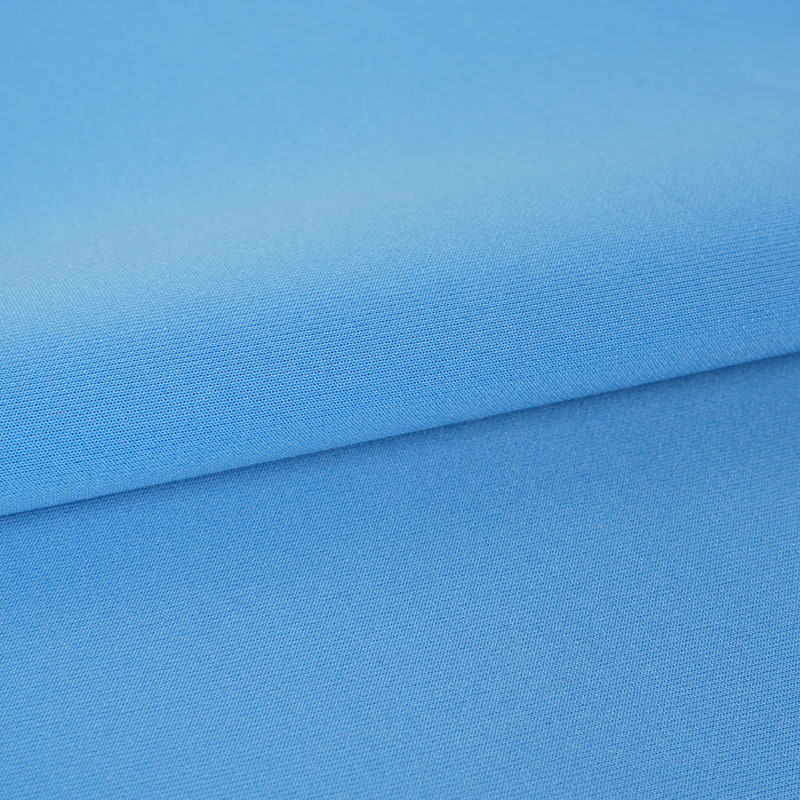
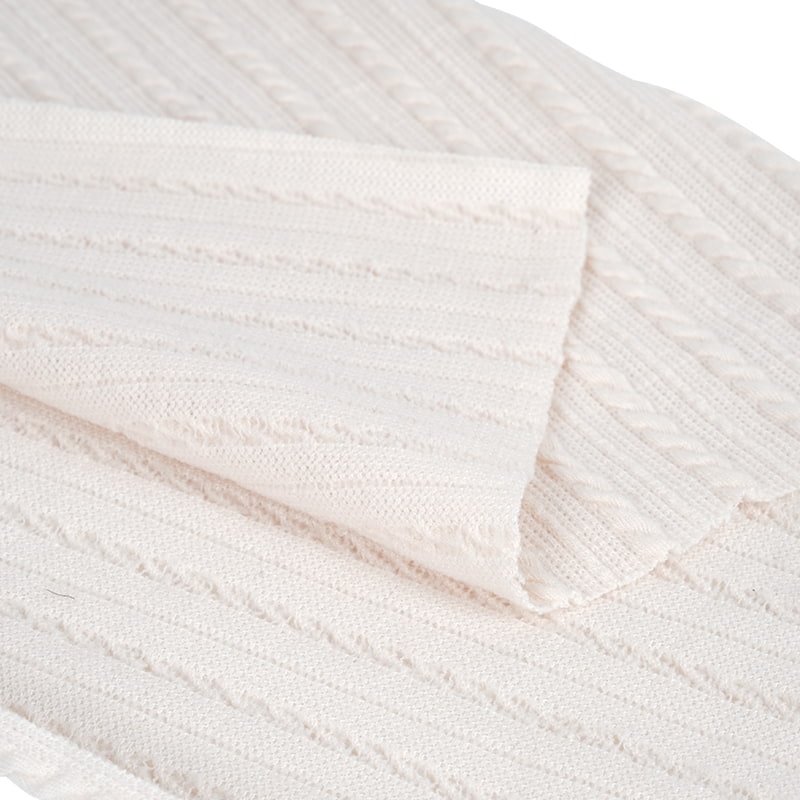 254GSM Polyester-Spandex Elastic Jacquard FabricA 254 GSM polyester-spandex jacquard with soft luster and drape, suited to dresses and curtains where stretch and elegant lines matter.View Product →
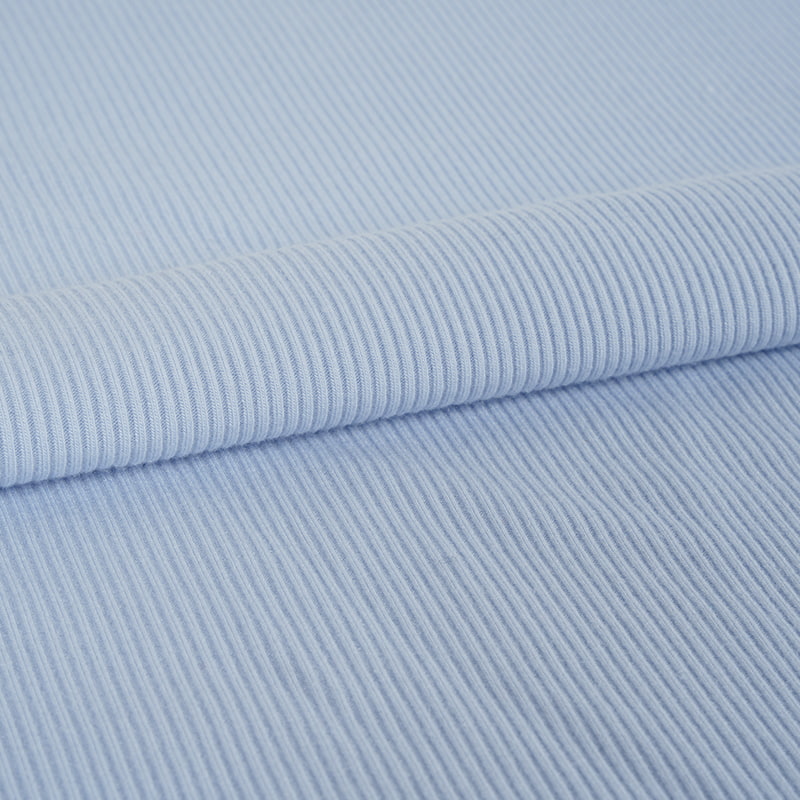
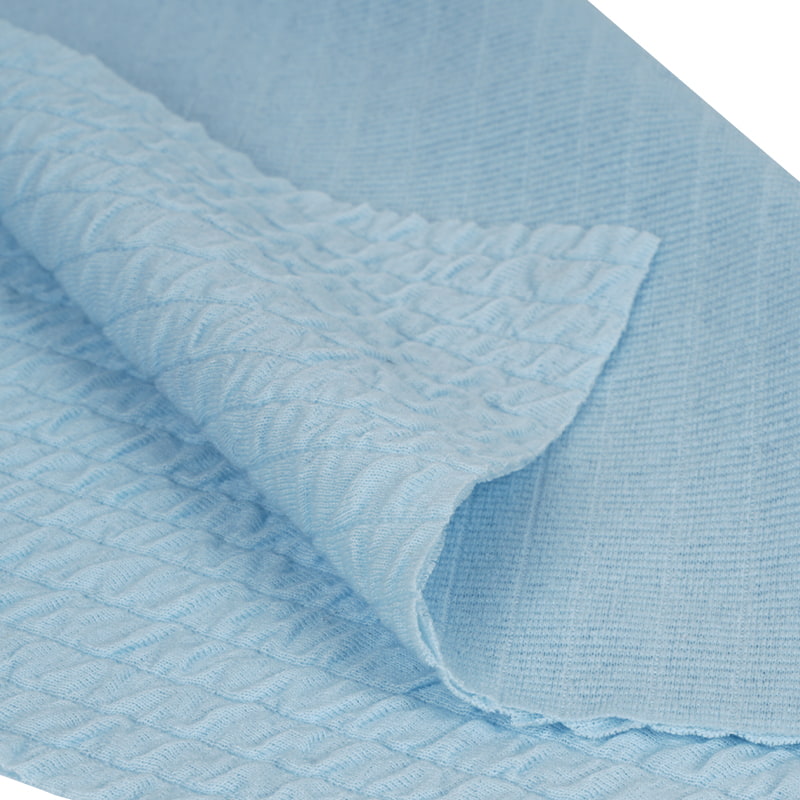 Breathable Warm Jacquard Fabric for Autumn and WinterA 240 GSM 98% polyester 2% spandex jacquard with air-permeable structure, warmth retention, and soft stretch, intended for cooler-weather clothing.View Product →
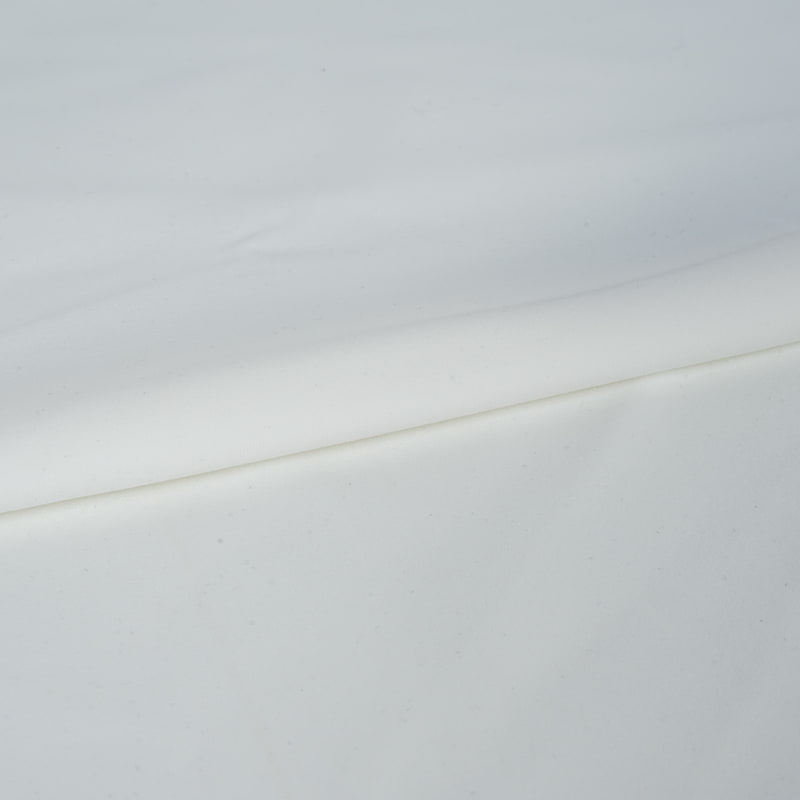
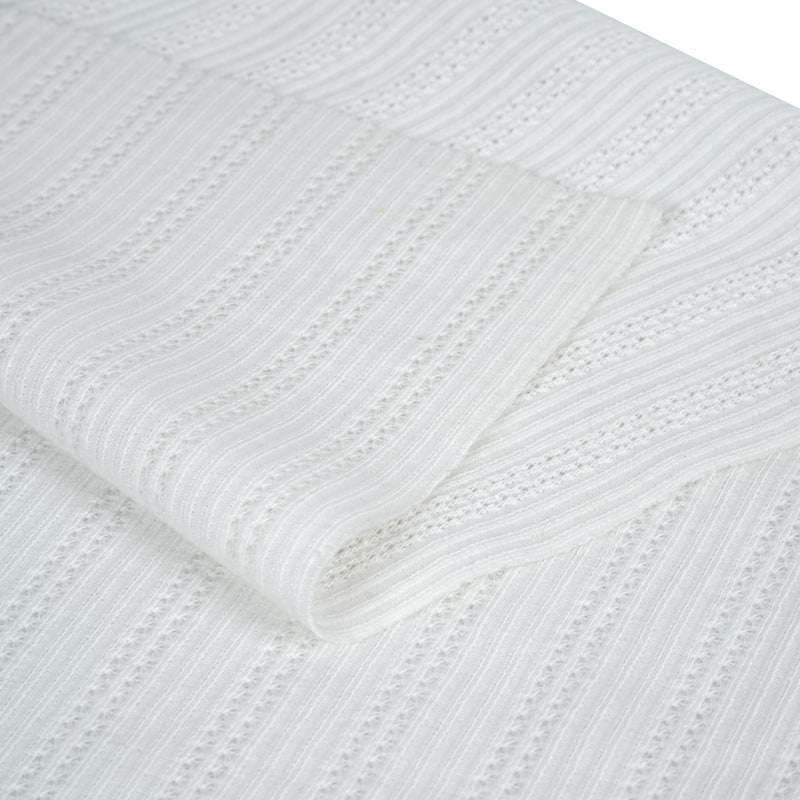 Machine-Washable White Jacquard Fabric for Easy CareA 210 GSM, 150 cm white jacquard that can be machine washed, offering convenient cleaning for easy-care collections and frequent-use items.View Product →
These examples suit different programs: an elastic jacquard for shaped apparel, a breathable warm jacquard for cooler-weather pieces, and a machine-washable white jacquard for easy-care collections. The right choice still depends on the garment or home textile it will become.
Damask is not a fiber, and it is not simply “a fancy jacquard.” Jacquard is not always shiny, heavy, or expensive, and it is not always woven. Damask is not always silk, and a polyester damask can be perfectly appropriate for contract or residential use if it meets the performance brief. The most useful habit is to stop asking which word is better and start asking which construction fits the job. Jacquard describes the capability; damask describes a particular expression of it.
Once you see jacquard as the family and damask as one well-defined member, the buying conversation gets clearer. You can compare pattern style, reversibility, fiber, hand, and care without mixing up categories. If you are developing a jacquard program and want to explore a damask-inspired look in a knit or woven fabric, our team is happy to talk through the construction and the end use.

 Address: Xinglian Village, Fuquan Street, Keqiao District, Shaoxing City, Zhejiang Province, China.
 Phone: +86-15958501675
 Email: [email protected]
For exclusive deals and latest offers, sign up by entering your email address below.
Coprright © Shaoxing Keqiao Ruijue Textiles Co., Ltd. All Rights Reserved. Custom Jacquard Jersey Fabric Manufacturers



 English
 Español