Content
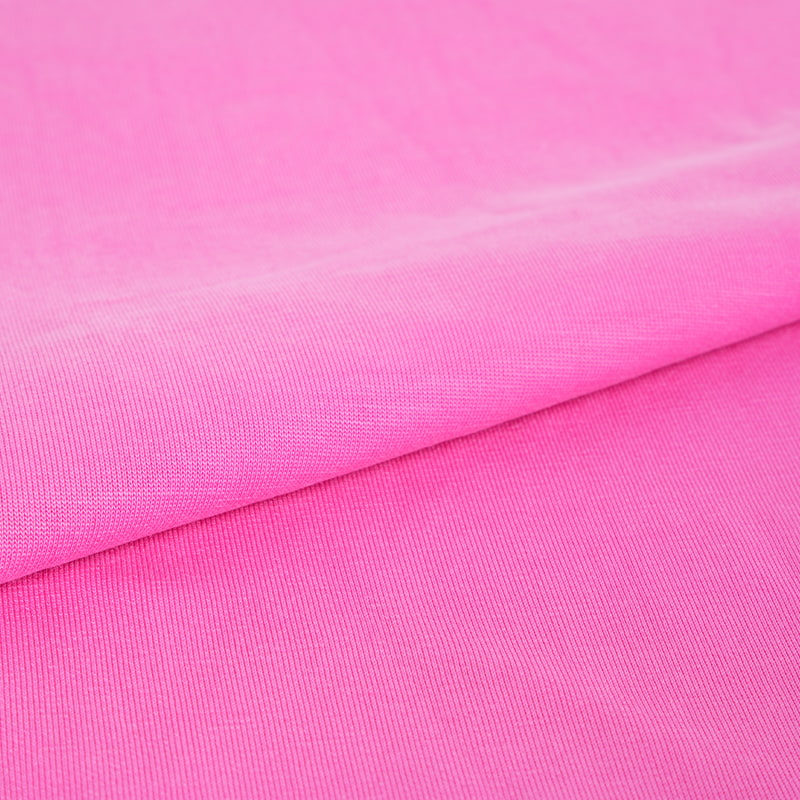
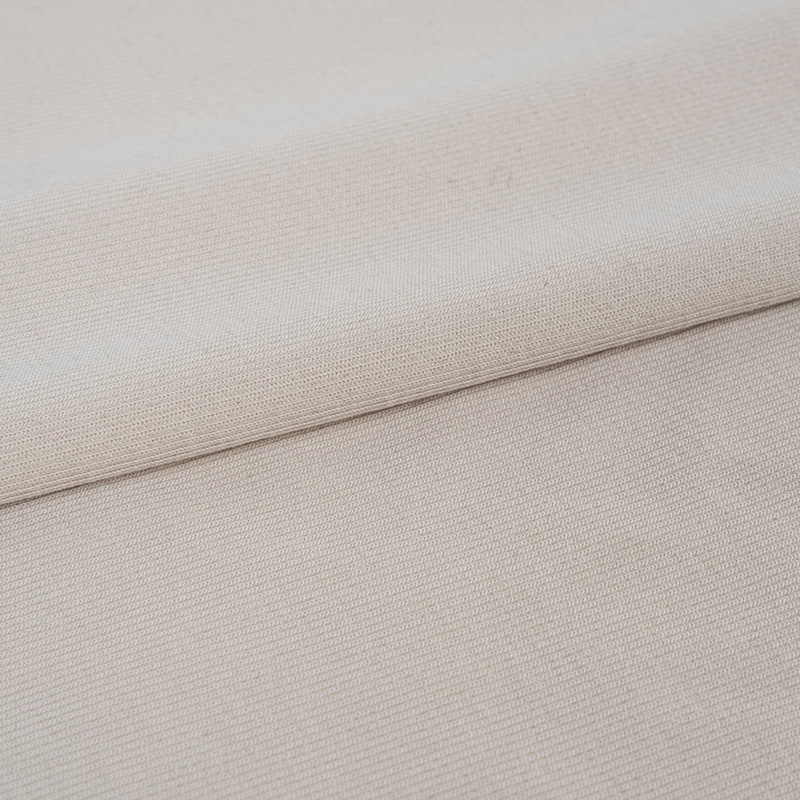
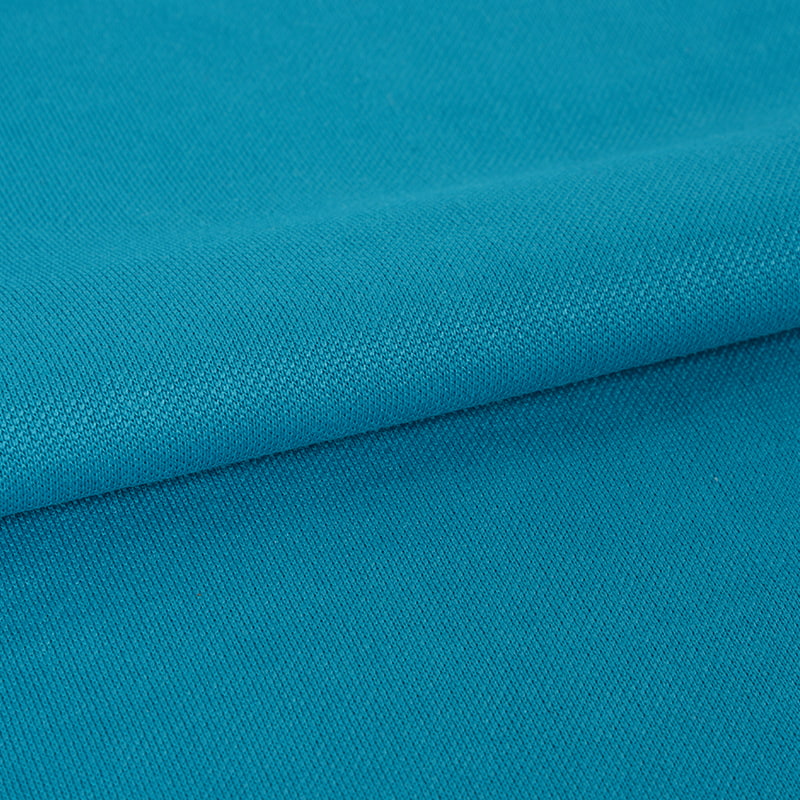
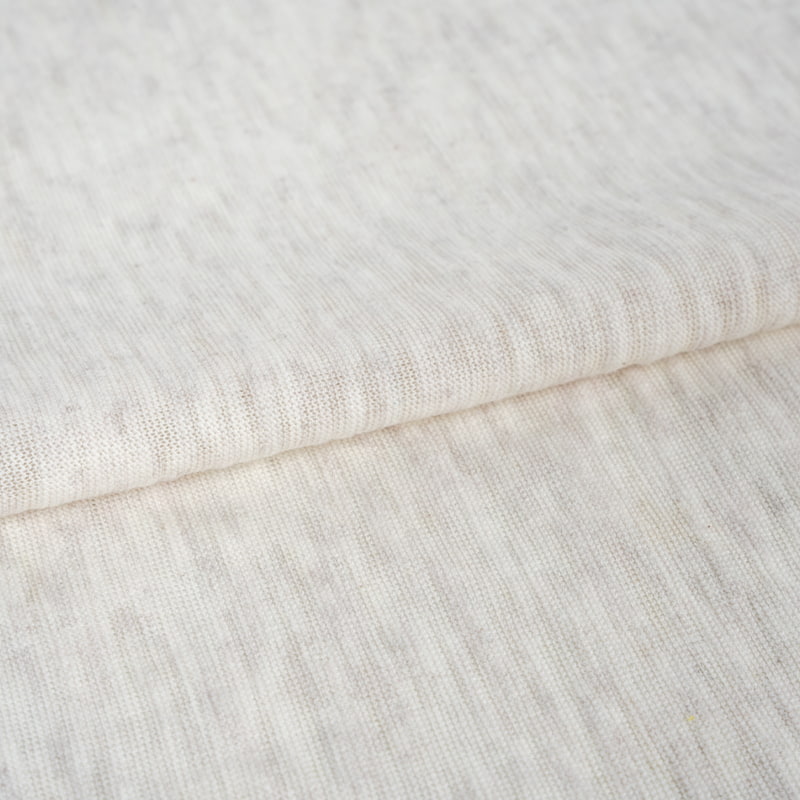
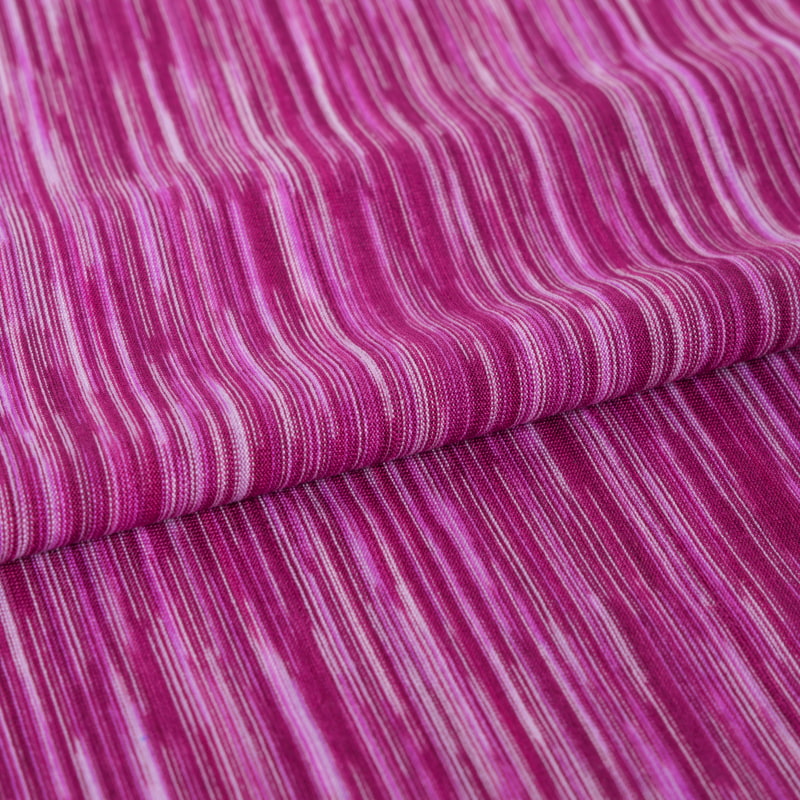
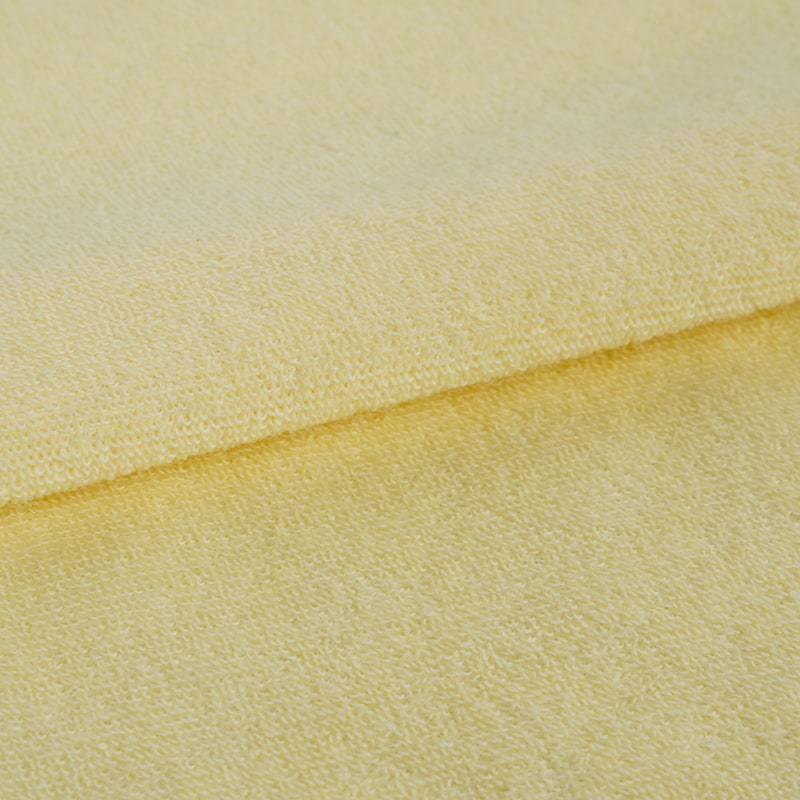
Sand washed fabric is textile that has been tumbled with small, abrasive pumice stones or subjected to a chemical equivalent process that mimics the mechanical action of sand against fiber. The result is a surface that feels noticeably softer, looks subtly matte, and drapes with a relaxed fluidity that untreated fabric of the same construction simply cannot replicate. The finish permanently alters the hand feel and appearance of the cloth without compromising the base fiber's fundamental properties — making it one of the most practical and commercially enduring fabric finishing techniques in the garment industry.
The sand washing process works through controlled abrasion. In the traditional method, fabric is loaded into industrial washing drums together with pumice stones — naturally porous volcanic rock — and tumbled at specific speeds, temperatures, and durations. The stones abrade the yarn surface microscopically, breaking down individual fiber ends and raising a faint, consistent nap across the cloth. This nap is what gives sand washed fabric its characteristic softness and slight sheen reduction.
Modern sand washing operations frequently replace or supplement physical pumice with enzymatic treatments or chemical softening baths that replicate the surface modification without the mechanical wear on equipment and the disposal challenges of spent pumice. These chemical processes can be dialed in with greater precision, producing more consistent results across large production runs, though purists argue that genuine stone washing produces a depth of texture that chemical alternatives approximate but do not fully match.
At a microscopic level, sand washing does three things simultaneously. First, it abrades protruding fiber ends, smoothing the yarn surface and reducing the prickle sensation associated with some natural fibers, particularly linen and raw silk. Second, it slightly compresses and flattens the weave or knit structure, producing a denser, more cohesive fabric hand. Third, it removes surface sizing and finishing agents applied during weaving or knitting, revealing the true character of the base yarn.
The combined effect is a fabric that feels broken-in from the first wearing — a quality that would otherwise require many wash-and-wear cycles to achieve naturally. This pre-aged softness is the primary commercial appeal of sand washed fabric and the reason it commands a price premium over the same cloth in its untreated state.
Sand washing removes a measurable amount of material from the fabric surface and introduces a degree of relaxation shrinkage. Fabric weight after processing is typically 3–8% lower than greige (unfinished) weight, and fabric dimensions contract by 2–5% in length and 1–3% in width depending on fiber type, weave structure, and process intensity. Manufacturers account for this shrinkage when specifying fabric for garment cutting — a critical detail that buyers of finished fabric should confirm with their supplier before cutting patterns at greige dimensions.
Dimensional stability after processing is generally good. Because sand washed fabric has already been mechanically relaxed during the washing process, it tends to show minimal further shrinkage in subsequent home laundering — a practical advantage for the end consumer.
Not all fibers respond to sand washing in the same way, and the choice of base fabric determines both the aesthetics achievable and the process parameters required. The following table summarizes how the most commonly sand washed fibers behave through the process and in finished garments.
| Fiber | Surface Effect | Hand Feel After Washing | Durability of Finish | Typical End Use |
|---|---|---|---|---|
| Silk | Matte, peach-skin texture | Exceptionally soft, supple | Moderate (handle with care) | Dresses, blouses, lingerie |
| Polyester | Subtle sheen reduction, peach skin | Soft, slightly fuzzy | High (wash-stable) | Activewear, linings, casualwear |
| Linen | Reduced stiffness, relaxed texture | Notably softer than raw linen | High (improves with use) | Shirts, trousers, home textiles |
| Lyocell (Tencel) | Silky matte, enhanced drape | Very soft, fluid | Moderate–High | Dresses, lightweight trousers |
| Cotton | Softened surface, slight nap | Soft, relaxed | High | Casual shirts, trousers, bedding |
| Viscose/Rayon | Softened, subtle lustre reduction | Soft, lightweight drape | Moderate (wet strength low) | Blouses, summer dresses |
Sand washed silk occupies its own category within the sand washed fabric market and deserves detailed attention. Raw silk charmeuse or satin has a bright, liquid sheen and a relatively stiff hand for a lightweight fabric. Sand washing transforms this into something far more wearable for everyday use — the high sheen drops to a soft, diffused glow, and the hand becomes almost cashmere-like in its softness. The resulting fabric drapes beautifully against the body and resists the "slipping" tendency of high-luster silk satin.
The process does reduce silk's tensile strength modestly. Studies of silk filament degradation under mechanical abrasion suggest tensile strength reductions of 10–18% depending on process duration and pumice grade — a figure that is acceptable for most apparel applications but argues against sand washing silk fabrics intended for high-stress uses such as linings in heavily worn tailored jackets.
Sand washed polyester — often marketed as "peach skin" fabric — is the most commercially produced variant in the mass market. Polyester's synthetic filaments respond to abrasion by developing a fine surface microfiber nap that feels surprisingly soft against skin and significantly less synthetic than untreated polyester. The peach-skin effect is achieved without meaningfully compromising the fiber's inherent wash durability, colorfastness, or resistance to wrinkling — all properties that make polyester commercially attractive in the first place.
Peach skin polyester is particularly prevalent in activewear and athleisure garments, where its softness, moisture management, and durability align well with the performance requirements of that category. It is also widely used as a lining fabric, where its softness against skin and resistance to static cling (when compared to untreated polyester) improve wear comfort.
Sand washed fabric has a visual identity as distinctive as its tactile one. The combination of reduced surface sheen, enhanced drape, and subtle tonal variation across the fabric surface gives sand washed garments an immediately recognizable quality — one that sits between the crispness of untreated fabric and the full casualness of washed denim or garment-dyed cotton.
One of the most commercially significant visual effects of sand washing is sheen reduction. High-luster fabrics — silk satin, high-thread-count polyester, polished cotton — reflect light in a directional way that some consumers associate with formal or occasion wear. Sand washing scatters that light reflection by introducing microscopic surface irregularity, producing a matte or semi-matte finish suitable for a much wider range of dress codes and styling contexts.
Colour behaviour also changes subtly. The micro-nap raised by sand washing contains more air than a smooth fiber surface, which slightly lightens the perceived depth of dark colours and softens the saturation of bright ones. Designers who work with sand washed fabric frequently compensate by specifying dye concentrations 5–10% higher than they would for the same fabric in its untreated state, to achieve the target colour appearance in the finished garment.
Drape — the way a fabric falls and moves on the body — is fundamentally altered by sand washing. The process relaxes the interlocking structure of woven threads, allowing them to move more freely relative to each other. The result is a fabric that cascades rather than holds shape, follows the body's curves rather than standing away from them, and moves with the wearer in a way that reads as effortless and relaxed.
This enhanced drape makes sand washed fabric particularly well-suited to bias-cut garments, wrap styles, wide-leg trousers, and flowing dresses — garments where the fabric's movement is part of the design. Conversely, sand washed fabric is a poor choice for structured garments that need to hold a silhouette — a tailored jacket or a stiff-collared shirt will not perform well in a heavily sand washed cloth without interfacing or additional structure.
Sand washed fabric's pre-aged character aligns naturally with the "vintage" and "lived-in" aesthetic that has been a persistent trend in fashion since at least the 1990s. The slightly faded look of sand washed linen, the softened hand of sand washed silk, and the relaxed structure of sand washed cotton all communicate a sense of effortless familiarity — as though the garment has been worn and loved over many seasons.
This aesthetic is particularly strong in the resort wear, vacation dressing, and slow fashion segments, where consumers actively seek garments that feel relaxed and non-precious. The sand washed finish also tends to disguise minor wear — a practical benefit that untreated, high-sheen fabrics cannot offer.
Sand washing is one of several mechanical and chemical fabric finishing techniques that alter the hand feel and appearance of textile. Understanding where it sits among the alternatives helps clarify when it is the right choice and when a different process would better serve the design intent.
Sand washing can be applied either to fabric before cutting (piece washing) or to completed garments (garment washing). Piece washing produces a uniform finish across the cloth that is then cut into garments. Garment washing creates variation in the finish — seam areas, pockets, and hems receive different abrasion levels than flat panels — producing the uneven, naturally worn appearance associated with garment-dyed and enzyme-washed products.
Garment-washed sand washed pieces typically retail at a premium over piece-washed versions because the garment washing process requires additional handling, higher rejection rates, and more complex production logistics. The aesthetic result is also considered more authentic and harder to replicate at scale.
Enzyme washing uses cellulase enzymes (for cellulosic fibers) or protease enzymes (for protein fibers) to chemically degrade surface fibers, producing a softening effect similar to mechanical abrasion without the physical wear on equipment. Enzyme washed fabric tends to have a cleaner, more consistent surface than stone or sand washed fabric — less nap, more controlled softness. It is favored when the goal is softness without the visible matte effect of sand washing.
Sueding or emerizing passes fabric over a series of rollers covered in emery paper or carborundum, raising a uniform, very fine nap on the fabric surface. The result is a consistent peach-skin texture with controlled directionality. Sand washing produces a similar but slightly more random, organic surface texture. For high-volume production where absolute consistency is paramount, sueding is often preferred. For premium products where natural variation adds value, sand washing is the better choice.
Acid washing uses chlorine-soaked pumice stones to create bleached, high-contrast surface patterns — most famously on denim. It produces a far more aggressive visual transformation than sand washing and is associated with distinct fashion periods (particularly 1980s denim). Sand washing, by contrast, is subtler, more universally applicable across fabric types, and not associated with a single trend moment — giving it broader and more enduring commercial relevance.
The care requirements for sand washed fabric depend primarily on the base fiber rather than the sand washing process itself — since the washing process has already mechanically stabilized the fabric, subsequent home laundering generally carries less risk of distortion than the first wash of an untreated equivalent. That said, fiber-specific vulnerabilities remain fully in effect.
Sand washed silk should be hand washed or machine washed on a delicate cycle in cool water (30°C maximum) using a pH-neutral detergent. Avoid wringing — roll the garment in a clean towel to remove excess water and reshape while damp. Never tumble dry sand washed silk, as heat will cause irreversible fiber damage and distortion of the softened surface texture. Iron on a low silk setting while slightly damp, using a pressing cloth to protect the fabric.
Many consumers choose to dry-clean sand washed silk despite manufacturer hand-wash approvals — a choice that preserves the surface texture longest but generates cost and environmental impact. For frequently worn items, careful hand washing is both practical and effective.
Sand washed linen and cotton are significantly more robust. Most can be machine washed at 30–40°C on a gentle cycle without meaningful shrinkage, since the pre-washing process has already removed the bulk of potential shrinkage. Tumble drying on low heat is generally safe, though line drying preserves colour depth better over time. These fabrics tend to improve with repeated washing — the linen in particular continues to soften with each laundry cycle, rewarding regular wear and washing rather than penalizing it.
Sand washed polyester is the most care-resilient of all variants. Machine wash at 30–40°C, tumble dry on low, and the peach-skin finish remains stable wash after wash. The primary concern with polyester in the wash is microplastic shedding — each wash cycle of a polyester garment releases synthetic microfibers into the wastewater system. Using a fine-mesh laundry bag significantly reduces microfiber release and is increasingly recommended as standard practice for all synthetic garment washing.
Sand washed fabric presents specific challenges in garment construction that differ from untreated versions of the same cloth. Its softness and enhanced drape, which are commercial advantages in the finished garment, can create difficulties in cutting, handling, and sewing — particularly for less experienced sewists or production facilities accustomed to crisper, more stable fabrics.
The relaxed, fluid nature of sand washed fabric makes it prone to slipping on cutting tables. Use pattern weights rather than pins where possible to avoid distorting the fabric during laying-up. Cut with sharp, fine-bladed scissors or rotary cutters — dull blades drag the fabric and produce imprecise edges. For production cutting, single-ply or low-ply lay-up with appropriate spreading techniques will produce better results than high-ply spreading, which allows relative movement between layers.
Marking sand washed silk requires particular care. Chalk wheels or tailor's chalk on the wrong side are safe options. Water-soluble markers should be tested first, as some leave permanent marks on silk even after washing. Notches cut into seam allowances (rather than clips) provide more reliable reference points on slippery fabrics.
The right needle choice significantly affects seam quality in sand washed fabric. Recommended needle types by fiber:
Thread should be fine and strong — 100% polyester thread in a weight appropriate to the fabric (typically 120/2 or 80/2 weight) works well across all fiber types. Avoid heavy cotton thread on lightweight sand washed fabrics, where it can pucker seams and cause visible thread drag at the fabric surface.
Because sand washed fabric drapes closely to the body, seam finishes are often visible through thin or light-coloured cloth. French seams are ideal for lightweight sand washed silk and lyocell — they encase all raw edges within the seam itself, producing a clean interior finish with no additional bulk. For medium-weight linen and cotton, flat-felled seams or bound seams with lightweight bias tape provide durability without adding stiffness at the seam line. Overlocked (serged) seam allowances are acceptable for fabrics that will not be visible through the fashion fabric, but should be pressed carefully to avoid creating ridges on the garment face.
Fabric finishing is one of the most resource-intensive stages of textile production, and sand washing carries specific environmental impacts that have attracted increased scrutiny as the industry moves toward greater sustainability accountability. Understanding these impacts — and the alternatives being developed — is increasingly important for brands and buyers making sourcing decisions.
Traditional sand washing and stone washing processes are water-intensive. A single drum load of fabric may require 200–400 liters of water for washing, rinsing, and post-treatment. Across the volumes produced by large mills, this represents significant water consumption, particularly concerning in water-stressed textile manufacturing regions of South and Southeast Asia.
Water recycling systems in modern finishing facilities can recover and treat up to 80% of process water for reuse, substantially reducing fresh water consumption per kilogram of finished fabric. When sourcing sand washed fabric, inquiring about a supplier's water treatment and recycling practices is a meaningful due diligence question.
Physical pumice stone washing generates spent pumice — rock dust and fragments contaminated with dye and chemical finishing agents — that must be disposed of as industrial waste. In facilities processing thousands of kilograms of fabric daily, spent pumice disposal is a significant waste management challenge. The transition to enzymatic or chemical sand washing equivalents eliminates this solid waste stream entirely, which is one reason the industry has moved substantially toward chemical processing even where the aesthetic result is considered slightly inferior to stone washing.
The environmental footprint of a sand washed fabric is determined more by the base fiber than by the washing process itself. Sand washed organic linen has a dramatically lower environmental impact than sand washed virgin polyester across most lifecycle metrics — water use, chemical inputs, microplastic pollution, and end-of-life biodegradability. Sand washed lyocell from responsibly managed forestry represents another lower-impact option for designers seeking both the sand washed aesthetic and improved sustainability credentials. Recycled polyester as a base for peach-skin finishing is an increasingly viable alternative to virgin polyester for brands with explicit sustainability commitments.
Sand washed fabric occupies a specific and durable commercial position within the textile market. It is neither a budget commodity nor a niche luxury — it spans a wide price range depending on base fiber and finishing quality, making it accessible to brands across multiple market tiers.
Resort wear is the single largest end-use category for sand washed fabric, and the fit is intuitive. Sand washed linen and lyocell produce the effortless, lightweight garments — wide-leg trousers, loose button-front shirts, flowing midi dresses — that have defined resort dressing aesthetics for decades. The fabric's resistance to looking overly formal, its comfortable hand against warm skin, and its tolerance for the slightly wrinkled, relaxed look that resort travel produces naturally make it genuinely functional as well as aesthetically appropriate for this market.
The contemporary fashion market — brands positioned above fast fashion but below luxury — has been a consistent adopter of sand washed fabrics, particularly sand washed silk and lyocell. These fabrics allow contemporary brands to offer a premium hand feel and sophisticated drape at price points that are viable for their production economics and retail price architecture. Sand washed silk charmeuse and crepe de chine are among the most requested fabric types from contemporary womenswear designers globally, a trend that has shown no sign of meaningful reversal over multiple decades.
Sand washed fabric has strong application in the home textiles sector — bedding, cushion covers, curtains, and table linens. Sand washed cotton and linen percale and sateen are positioned as premium alternatives to standard sheeting, offering an immediately soft hand from the first use rather than requiring multiple washes to break in. This out-of-the-box softness is a significant consumer preference driver in the bedding category, where hand feel at the point of purchase is a primary selection criterion. Retailers who merchandise sand washed bedding with the opportunity for customers to touch the fabric consistently report higher conversion rates than equivalent displays of untreated fabric.
The sand washed label is used loosely in the market, and not all fabrics described as sand washed have been through a genuine abrasion process. Some suppliers apply heavy softener treatments that mimic the hand feel superficially but lack the structural modification that gives true sand washed fabric its durability and visual character. Knowing how to evaluate a fabric sample allows buyers to distinguish genuine sand washed fabric from imitations.

 Address: Xinglian Village, Fuquan Street, Keqiao District, Shaoxing City, Zhejiang Province, China.
  Phone: +86-15958501675
  Email: [email protected]
For exclusive deals and latest offers, sign up by entering your email address below.
Coprright © Shaoxing Keqiao Ruijue Textiles Co., Ltd. All Rights Reserved. Custom Jacquard Jersey Fabric Manufacturers



 English
 Español