Content
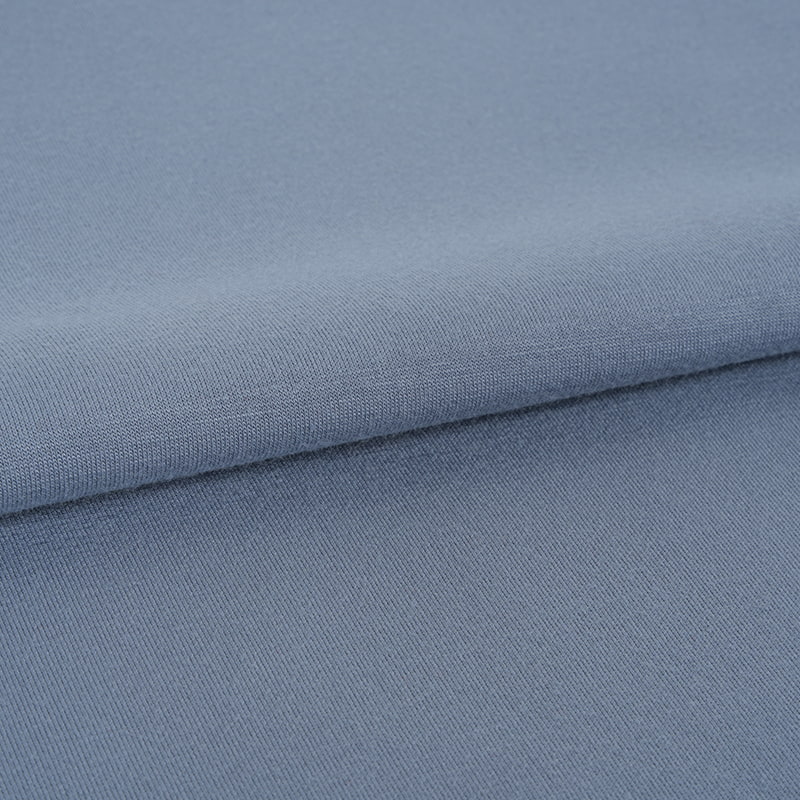
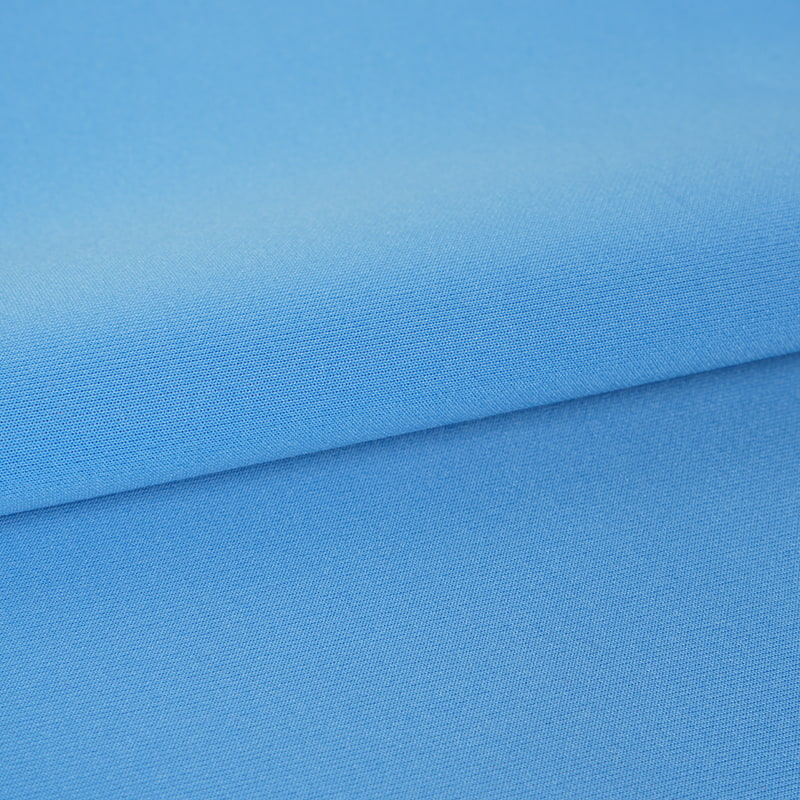
The key difference in stretch fatigue resistance between Soft Stretchy Fabric (high-rebound structure) and Soft Stretchy Fabric (elastic blend structure) is that the high-rebound structure typically maintains 20%–35% better shape recovery after repeated stretching cycles, while the elastic blend structure provides more balanced comfort but shows earlier gradual deformation under long-term mechanical stress.
In practical terms, high-rebound fabrics are preferred for performance-driven applications requiring repeated high-tension movement, while elastic blend fabrics are better suited for everyday comfort-oriented wear where moderate stretch and softness are prioritized.
Stretch fatigue resistance refers to a fabric’s ability to retain its original shape and elasticity after repeated stretching and recovery cycles. In laboratory testing, fabrics are typically stretched between 30% and 80% elongation for up to 5,000–10,000 cycles to measure permanent deformation.
Different construction methods, fiber compositions, and weaving structures significantly influence performance. For example, Micro Stretch Fabric is engineered with ultra-fine elastic filaments that improve rebound speed, while Stretch Cotton Twill Fabric integrates natural cotton fibers with elastic components to balance durability and softness.
The high-rebound structure is designed with tightly coiled elastic polymers that allow rapid energy release after stretching. This structure often uses high-performance elastomers blended with synthetic fibers to achieve a recovery rate of 90%–98% even after thousands of cycles.
High-rebound Soft Stretchy Fabric typically demonstrates superior mechanical stability, especially under repetitive strain conditions such as sportswear or compression garments.
However, this structure may feel slightly firmer compared to softer blends, which can reduce comfort in low-activity daily wear scenarios.
The elastic blend structure combines natural fibers and synthetic elastomers in varying ratios, typically ranging from 5% to 18% elastic content. This creates a softer hand feel but slightly reduces long-term rebound strength compared to high-rebound systems.
Elastic blend fabrics are widely used in lifestyle garments due to their comfort-first design philosophy.
In comparison, elastic blend structures may experience 5%–12% higher permanent deformation after extended use compared to high-rebound fabrics.
| Performance Factor | High-Rebound Structure | Elastic Blend Structure |
|---|---|---|
| Elastic Recovery Rate | 90%–98% | 80%–90% |
| Fatigue Resistance Cycles | 8,000–10,000 | 5,000–7,000 |
| Comfort Level | Medium | High |
| Shape Retention | Excellent | Moderate |
In real-world applications, both structures are often integrated into hybrid textiles. For instance, Micro Stretch Fabric frequently uses high-rebound fibers in performance zones and elastic blends in comfort zones to balance mobility and wearability.
Similarly, Stretch Cotton Twill Fabric is commonly engineered with elastic blend structures to preserve its natural cotton texture while still allowing controlled flexibility in garments like trousers and jackets.
Proper care significantly affects stretch fatigue resistance. High-rebound fabrics maintain performance longer under controlled washing conditions, while elastic blends require gentler handling to reduce fiber breakdown.
Long-term testing shows that high-rebound Soft Stretchy Fabric retains usable elasticity for up to 2–3 years of regular wear, while elastic blend structures typically maintain optimal performance for 1.5–2 years depending on usage intensity.

 Address: Xinglian Village, Fuquan Street, Keqiao District, Shaoxing City, Zhejiang Province, China.
  Phone: +86-15958501675
  Email: [email protected]
For exclusive deals and latest offers, sign up by entering your email address below.
Coprright © Shaoxing Keqiao Ruijue Textiles Co., Ltd. All Rights Reserved. Custom Jacquard Jersey Fabric Manufacturers



 English
 Español