Content
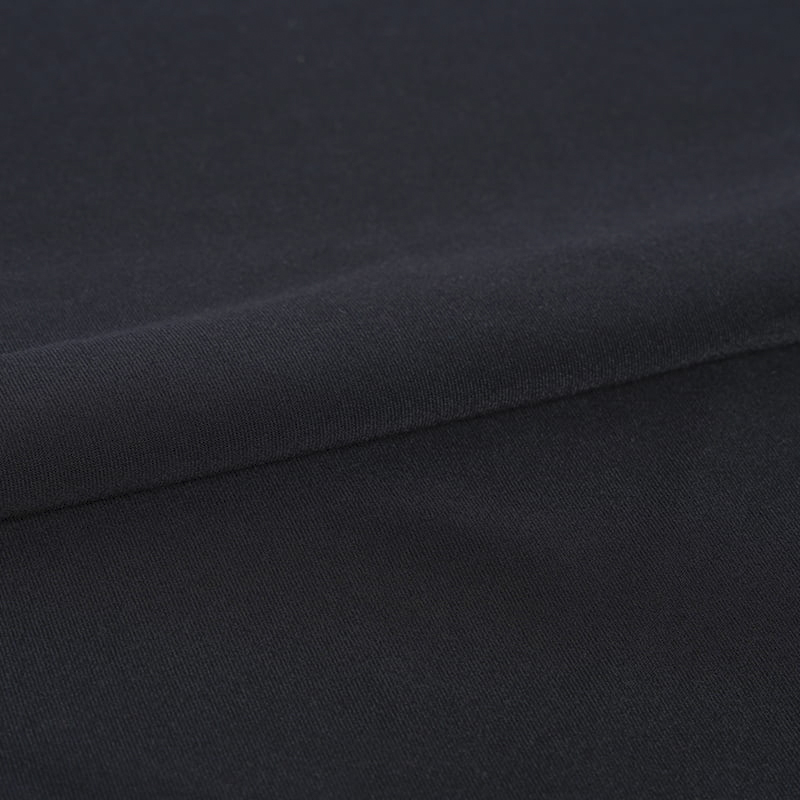
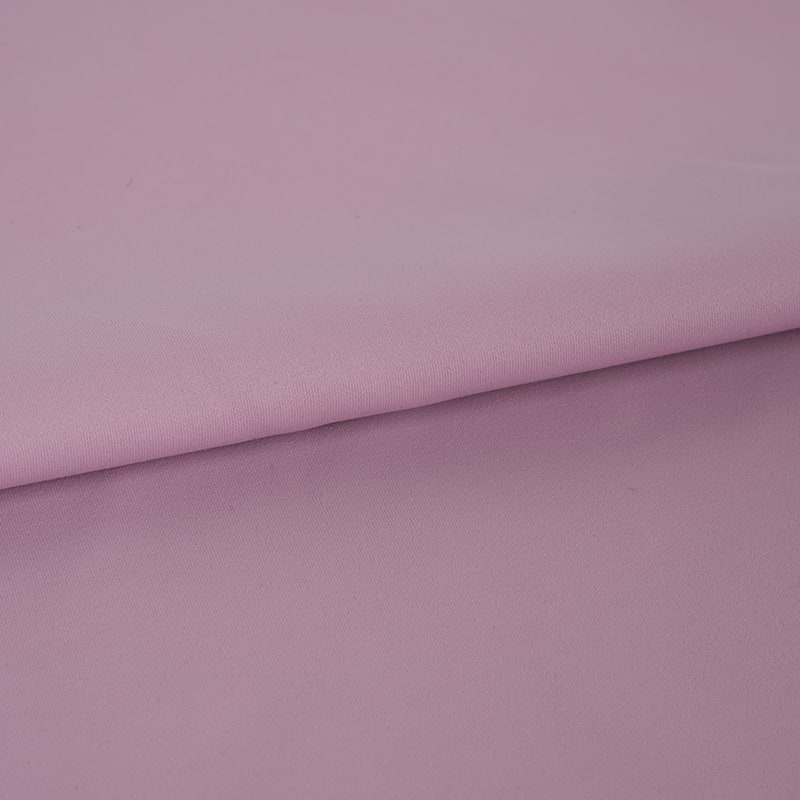
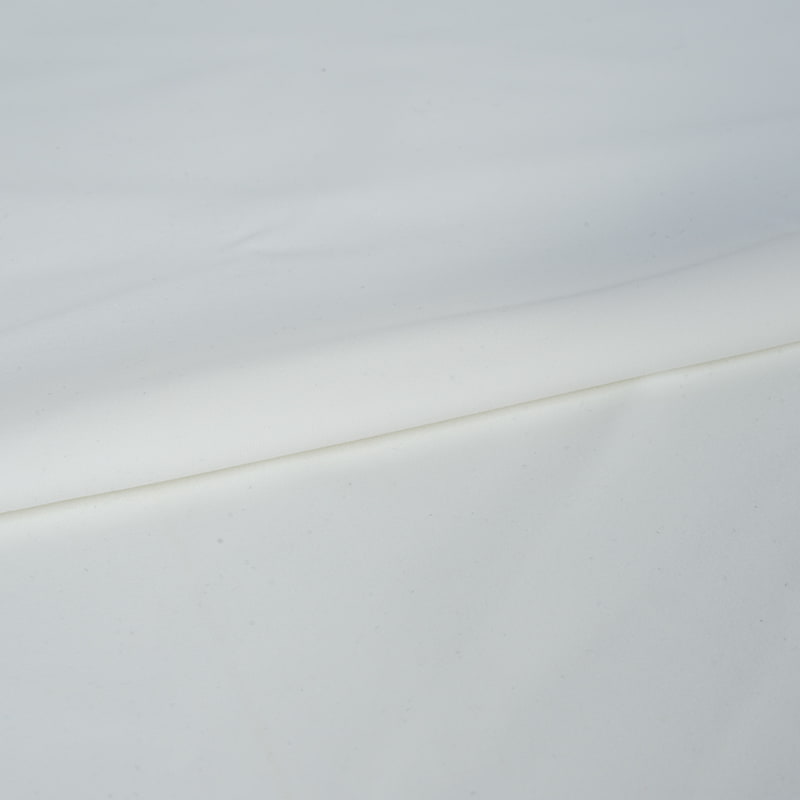
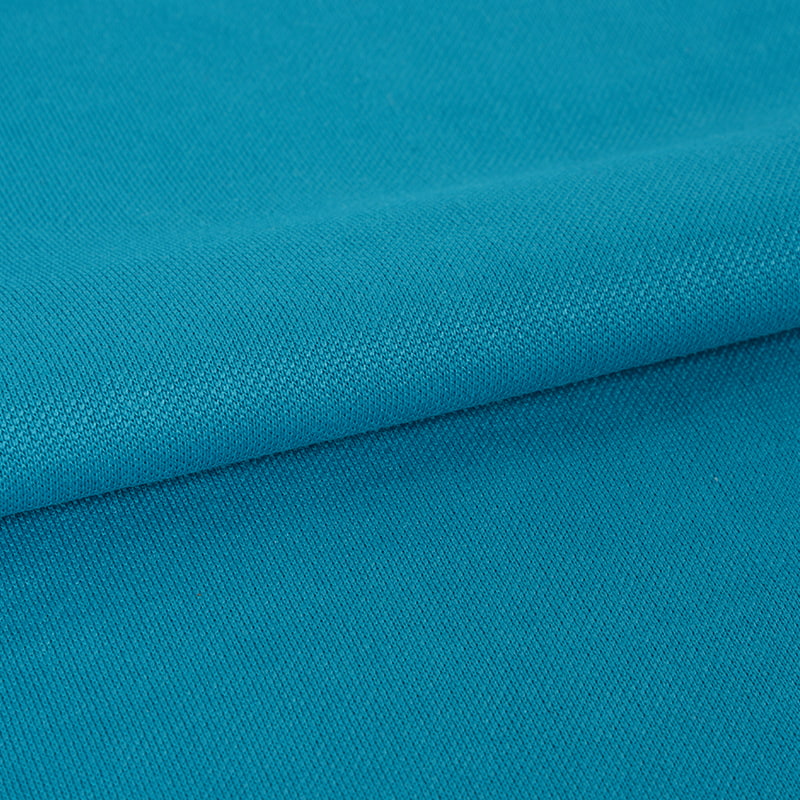
The textile industry has undergone a significant transformation in recent years as manufacturers and brands respond to growing demand for fabrics that perform well, feel comfortable, and minimize environmental impact. Among the most notable developments in this space are sustainable high-elastic functional single and double-sided fabrics, a category of textile engineering that combines stretch performance, functional finishing, and environmentally conscious material choices into a single product. These fabrics have become essential building blocks for activewear, outerwear, intimate apparel, and a wide range of performance focused garments.
This article explores what defines sustainable high-elastic functional single and double-sided fabrics, how they are constructed and engineered, why they matter for both the apparel industry and the broader environment, and what factors influence their selection and application across different garment categories.
High-elastic functional fabrics are textiles engineered to stretch significantly beyond their original dimensions while returning to their original shape once tension is released. This elasticity is typically achieved through a combination of fiber selection, yarn construction, and knitting or weaving techniques that allow the fabric structure itself to flex and recover. When the term sustainable is applied to these fabrics, it refers to the use of environmentally responsible raw materials, reduced resource consumption during manufacturing, and design choices that support longer garment lifespans and easier end of life recycling.
The distinction between single-sided and double-sided fabric construction adds another important dimension to this category. Single-sided fabrics feature a distinct technical face and a different reverse side, often allowing for specialized finishes such as moisture management on the inner surface and a smooth, visually appealing outer surface. Double-sided fabrics, by contrast, are constructed so that both surfaces share similar characteristics, often making them reversible or suitable for garments where either side may be exposed during wear or styling.
The sustainability of these fabrics begins at the fiber level, where manufacturers increasingly favor materials that reduce environmental impact without compromising performance.
| Material Input | Sustainability Contribution |
|---|---|
| Recycled polyester yarns | Diverts plastic waste, such as recycled bottles, from landfill into usable fiber |
| Recycled nylon yarns | Repurposes industrial or post consumer nylon waste into high performance fiber |
| Bio based elastane alternatives | Reduces reliance on petroleum derived stretch fibers |
| Organic and regenerative cotton blends | Lowers pesticide use and supports soil health in fiber cultivation |
| Low impact dyes and finishes | Reduces water consumption and chemical discharge during processing |
By combining these material inputs with elastic fiber technology, manufacturers are able to produce fabrics that stretch and recover effectively while substantially reducing the environmental burden traditionally associated with synthetic stretch textile production.
Achieving reliable, long lasting stretch performance requires careful engineering at the yarn and fabric construction level, rather than relying on a single elastic fiber alone.
Core Spun Elastic Yarns
These yarns wrap a stretch fiber core with a non elastic fiber sheath, combining flexibility with durability and a natural fiber feel on the surface of the fabric.
Circular Knit Construction
Circular knitting machines produce seamless tubular fabric structures that naturally allow for multidirectional stretch, commonly used in activewear and form fitting garments.
Warp Knit Double-Sided Structures
Warp knitting techniques can produce double-sided fabrics with consistent surface characteristics on both faces, often used for reversible garments or applications where either surface may be visible.
Bonded and Laminated Layers
Some functional fabrics combine two distinct layers through bonding or lamination, allowing one side to provide moisture management while the other provides insulation, water resistance, or a particular aesthetic finish.
Beyond elasticity, the functional aspect of these fabrics refers to additional performance characteristics engineered into the textile structure or applied through finishing treatments.
These functional attributes are frequently layered onto the base elastic fabric structure, allowing a single textile to serve multiple performance purposes simultaneously, an efficiency that benefits both garment designers and end consumers seeking versatile apparel options.
Sustainable high-elastic functional single and double-sided fabrics are used extensively across a range of garment types, including the following.
Across these categories, the combination of sustainable material sourcing, reliable elasticity, and functional performance has positioned these fabrics as a preferred choice for brands seeking to align product performance with environmental responsibility.
The pairing of sustainability with high elastic performance reflects a broader shift in consumer and industry expectations, where environmental responsibility is no longer treated as a tradeoff against product performance but as an integrated design requirement.
Consumers increasingly expect performance apparel to deliver both functional benefits and environmental responsibility. Activewear shoppers, in particular, often research the material composition of garments before purchasing, favoring brands that can demonstrate the use of recycled fibers or reduced environmental impact during manufacturing. Sustainable high-elastic fabrics allow brands to meet this expectation without sacrificing the stretch and functional performance that performance apparel customers demand.
Traditional stretch fabrics have historically relied heavily on virgin petroleum based fibers such as conventional elastane and polyester. Sustainable alternatives that incorporate recycled or bio based fiber content help reduce this reliance, lowering the overall carbon footprint and resource intensity associated with stretch fabric production.
Many sustainable elastic fabrics are designed with end of life considerations in mind, using fiber blends that are easier to separate or recycle compared to traditional multi fiber stretch textiles. This supports circular economy goals within the apparel industry, where the long term aim is to keep textile materials in productive use for as long as possible rather than allowing them to enter landfill waste streams after a single garment lifecycle.
High quality elastic recovery directly affects how long a garment remains wearable before losing its shape or fit. Fabrics engineered with superior elastic recovery resist the sagging and stretching out that commonly affects lower quality stretch textiles after repeated wear and washing. Longer garment lifespan reduces the frequency of replacement purchases, indirectly supporting sustainability goals by lowering overall textile consumption and waste generation over time.
Dyeing and finishing processes for elastic functional fabrics can be water and chemical intensive when using conventional methods. Sustainable production approaches increasingly incorporate low impact dyeing technologies, closed loop water systems, and reduced chemical finishing agents, addressing one of the more resource intensive stages of textile manufacturing.
Many apparel brands now pursue recognized sustainability certifications related to recycled content, organic fiber sourcing, or responsible manufacturing practices. Utilizing certified sustainable high-elastic functional fabrics allows brands to substantiate sustainability claims with verifiable material sourcing documentation, supporting both regulatory compliance and consumer facing marketing efforts grounded in credible evidence rather than general claims.
Double-sided fabric construction adds a design dimension that supports sustainability in its own way, since reversible garments can offer two distinct looks or functional surfaces from a single textile, potentially extending the versatility and perceived value of a garment and reducing the need for separate garments to achieve different styling or functional outcomes.
For designers, manufacturers, and brands evaluating sustainable high-elastic functional single and double-sided fabrics, several technical and practical factors influence successful selection and application.
Fabric specifications typically include stretch percentage, indicating how much the fabric can elongate, and recovery rate, indicating how effectively it returns to its original dimensions after stretching. Garment categories with high movement demands, such as athletic leggings, generally require both high stretch percentage and excellent recovery rate, while more structured garments may prioritize moderate stretch with strong shape retention.
When sourcing sustainable fabrics, verifying the actual recycled or bio based content percentage, along with relevant third party certifications, helps ensure that sustainability claims are accurate and substantiated. Fabric suppliers should be able to provide documentation regarding fiber origin, recycled content verification, and any chemical or dye certifications relevant to environmental and safety standards.
Fabric weight and knit density significantly influence how a garment performs and feels. Lightweight, breathable constructions suit warm weather activewear, while heavier, more substantial double-sided constructions may better serve outerwear or compression garment applications. Selecting the appropriate fabric weight and structure for the intended garment type helps ensure both comfort and functional performance align with end use expectations.
| Garment Category | Preferred Fabric Characteristics |
|---|---|
| Athletic leggings and tops | High stretch, strong recovery, moisture wicking, lightweight |
| Outerwear and jackets | Moderate stretch, weather resistance, double-sided insulation |
| Shapewear and intimate apparel | High elasticity, strong compression, smooth surface finish |
| Swimwear | High stretch, chlorine resistance, fast drying |
| Casual athleisure wear | Moderate stretch, soft hand feel, durable recovery |
Functional finishes and dye applications must remain stable through repeated washing and wear without significantly degrading the fabric performance or appearance. Evaluating colorfastness ratings and the durability of functional finishes, such as moisture wicking or odor resistant treatments, helps ensure that garments maintain both their visual appeal and functional benefits throughout their expected lifespan.
Elastic fabrics subjected to friction during regular wear, particularly in high movement garments, can be susceptible to pilling or surface fiber breakdown over time. Selecting fabrics that have been tested for abrasion resistance helps ensure that garments maintain a clean appearance and structural integrity even after extended use and repeated laundering.
Proper care significantly affects how long high-elastic functional fabrics retain their performance characteristics. Manufacturers and brands should provide clear washing and care instructions, since improper laundering practices, such as excessive heat exposure during drying, can degrade elastic fibers and shorten the effective lifespan of a garment regardless of how sustainably or durably the original fabric was constructed.
Properly cared for, sustainable high-elastic functional fabrics can maintain their stretch, recovery, and functional performance across hundreds of wear and wash cycles, supporting both consumer satisfaction and the broader sustainability goal of extending garment lifespan.
Brands and designers sourcing these fabrics benefit from establishing close working relationships with mills and suppliers who can provide transparent information regarding fiber sourcing, production processes, and performance testing data. Requesting fabric samples and conducting independent performance testing before committing to large scale production runs helps ensure that the selected fabric genuinely meets both the functional requirements of the intended garment and the sustainability standards expected by the brand and its customers.
Ongoing innovation continues to expand the possibilities within this fabric category. Emerging developments include further refinement of bio based elastane alternatives to improve recovery performance, expanded use of mechanically and chemically recycled fiber blends, and continued advancement of low impact dyeing and finishing technologies that further reduce water and chemical consumption during production. As these innovations mature, the performance gap between sustainable elastic fabrics and conventional synthetic alternatives is expected to continue narrowing, making sustainable choices an increasingly natural default for designers and brands across the performance and functional apparel sectors.
Sustainable high-elastic functional single and double-sided fabrics represent a sophisticated convergence of material science, garment performance, and environmental responsibility. By combining recycled and bio based fiber content with engineered elasticity and functional finishing, these fabrics allow designers and brands to deliver the stretch, comfort, and performance that modern apparel customers expect, while simultaneously reducing the environmental footprint traditionally associated with synthetic stretch textile production. Careful attention to fiber sourcing, construction technique, and garment specific performance requirements ensures that these fabrics deliver lasting value, both in terms of wearer satisfaction and broader environmental impact, positioning them as a foundational material choice for the future of performance and functional apparel.

 Address: Xinglian Village, Fuquan Street, Keqiao District, Shaoxing City, Zhejiang Province, China.
  Phone: +86-15958501675
  Email: [email protected]
For exclusive deals and latest offers, sign up by entering your email address below.
Coprright © Shaoxing Keqiao Ruijue Textiles Co., Ltd. All Rights Reserved. Custom Jacquard Jersey Fabric Manufacturers



 English
 Español