Content
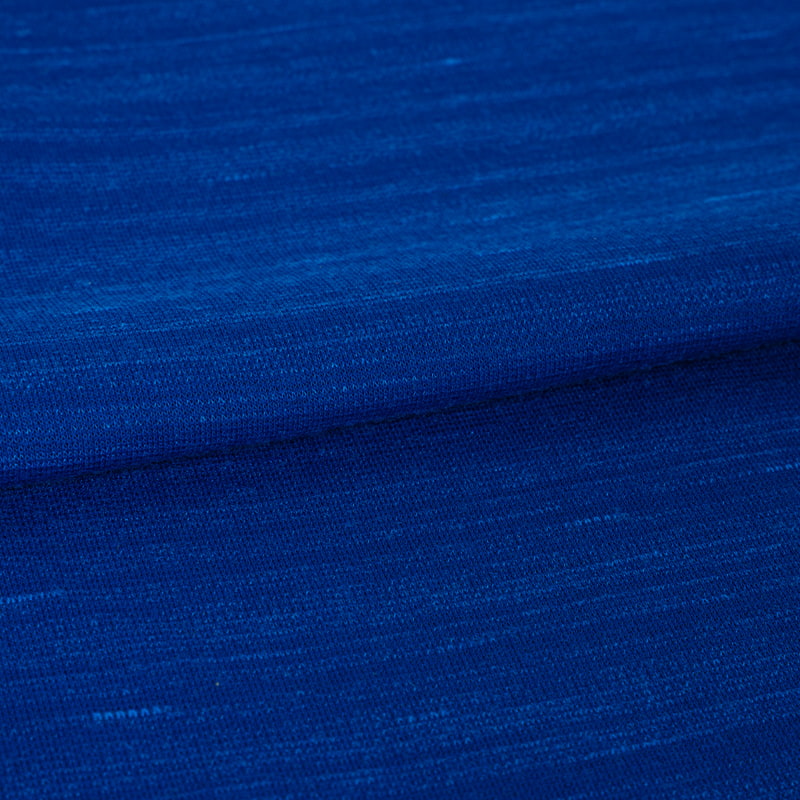
The textile industry continues to move toward materials that satisfy performance expectations while reducing environmental impact throughout the production lifecycle. Sustainable High-Elastic Double-Sided Fabric has emerged as a notable example of this convergence, offering a textile solution that combines significant stretch capability, dual-surface functionality, and environmentally responsible fiber sourcing within a single engineered material. This fabric category has gained particular traction across activewear, outerwear, and fashion applications where designers seek materials capable of delivering both technical performance and reduced environmental footprint. This article provides a comprehensive examination of this fabric type, covering its fiber composition, construction methodology, elastic performance mechanisms, sustainability credentials, and the practical considerations relevant to designers, manufacturers, and buyers evaluating this material.
Double-sided fabric, sometimes referred to as reversible fabric, is constructed using a knitting or weaving process that produces two distinct, fully finished surfaces on a single fabric layer, eliminating the need for a separate lining material in many garment applications. This construction differs fundamentally from single-face fabrics, where only one surface receives finishing treatments intended for visible use while the reverse side remains functionally incomplete or aesthetically unsuitable for exposure.
In double-sided fabric, both surfaces are engineered to be equally presentable, whether through matching or contrasting colors, complementary textures, or even entirely different surface finishes bonded or knitted together as a unified structure. This characteristic allows garment designers to create reversible clothing items, offering wearers two distinct style options within a single piece, while also providing practical benefits such as increased fabric density and improved insulation properties compared to lighter single-layer alternatives.
When combined with high elasticity, this double-sided construction gains additional functional value, since the fabric must maintain its dual-surface integrity and dimensional stability even as it stretches and recovers repeatedly during wear. Achieving this combination of stretch performance and dual-surface structural integrity requires careful engineering of both fiber selection and knitting or weaving technique, making high-elastic double-sided fabric a technically sophisticated textile category rather than a simple combination of two independent design features.
The sustainability credentials of this fabric category depend heavily on the specific fiber materials selected during production, with manufacturers increasingly turning toward renewable, recycled, or low-impact fiber sources to reduce the environmental footprint associated with textile manufacturing.
Many sustainable high-elastic fabrics incorporate recycled polyester or nylon fibers, typically derived from post-consumer plastic waste such as discarded beverage bottles or pre-consumer manufacturing scrap. The recycling process involves breaking down existing plastic material into raw polymer chips, which are then re-extruded into new fiber filaments suitable for textile production. This approach reduces reliance on virgin petroleum-based raw materials while diverting plastic waste from landfill or ocean disposal pathways.
Elastane, commonly known by trade names such as spandex or Lycra, provides the fundamental stretch capability within elastic fabrics through its unique polymer structure capable of significant elongation and recovery. Traditional elastane production relies on petroleum-derived raw materials, but recent manufacturing advances have introduced recycled elastane options, produced from pre-consumer manufacturing waste, alongside emerging bio-based elastane formulations derived partially from renewable plant sources rather than exclusively fossil fuel inputs.
Some sustainable double-sided elastic fabrics incorporate natural fiber components, such as organic cotton, grown without synthetic pesticides or fertilizers, blended with elastic synthetic fibers to achieve the desired stretch performance while introducing the breathability and natural comfort characteristics associated with cotton content. Organic certification programs verify that natural fiber components meet specific environmental and often social responsibility standards throughout the cultivation and initial processing stages.
Fibers such as lyocell or modal, derived from sustainably managed wood pulp through closed-loop manufacturing processes that recover and reuse processing chemicals, offer another sustainable component option, contributing soft hand feel and moisture management properties when blended with elastic synthetic fibers within double-sided fabric constructions.
Understanding how high-elastic double-sided fabric achieves its stretch and recovery performance requires examining both the fiber-level properties and the fabric construction techniques that work together to produce the finished material's mechanical behavior.
Elastane fibers are typically incorporated into the fabric either as a core-spun component, where the elastane fiber is wrapped with a covering yarn of another material such as polyester or nylon, or through direct knitting alongside other yarns within the fabric structure. This integration allows the fabric to stretch significantly under applied tension while returning to its original dimensions once that tension is released, a property essential for garments requiring freedom of movement without permanent deformation over repeated wear cycles.
The specific knitting pattern employed significantly influences overall stretch characteristics, with certain stitch structures, such as interlock or rib knit patterns, inherently providing greater elasticity than plain knit alternatives even before accounting for the elastane fiber content itself. Circular knitting machines commonly used in double-sided fabric production allow for precise control over stitch density and structure across both fabric faces simultaneously.
Fabrics engineered for four-way stretch performance provide elasticity in both the lengthwise and widthwise directions, offering greater freedom of movement suited to activewear and performance apparel applications. Two-way stretch fabrics, by contrast, typically stretch predominantly in one direction, which may be sufficient for certain garment applications where multidirectional stretch is less critical to overall function.
Beyond initial stretch capability, the fabric's ability to consistently recover its original shape after repeated stretching cycles, without developing permanent sagging or distortion, represents a critical performance characteristic. This recovery property depends on both the quality of elastane fiber used and the overall fabric construction, with well-engineered sustainable fabrics increasingly matching or approaching the recovery performance historically associated with conventional, non-sustainable elastic fabric alternatives.
Evaluating the genuine sustainability profile of high-elastic double-sided fabric requires looking beyond fiber sourcing alone to consider the broader production lifecycle, including manufacturing processes, water and energy consumption, and end of life disposal pathways.
The use of recycled polyester, nylon, or elastane components directly reduces demand for newly extracted petroleum resources, contributing to lower overall resource consumption associated with the fabric's production compared to fabrics relying entirely on virgin synthetic fiber inputs.
Textile dyeing traditionally represents one of the more water and chemically intensive stages of fabric production. Sustainable manufacturing operations increasingly adopt closed-loop dyeing systems that recover and reuse water and dye chemicals, alongside low-impact dye formulations designed to reduce the volume of hazardous wastewater generated during the coloring process.
Knitting and finishing processes require substantial energy input, and sustainability-focused manufacturers often pursue energy efficiency improvements throughout their production facilities, alongside increasing adoption of renewable energy sources to power manufacturing operations, reducing the overall carbon footprint associated with fabric production.
Independent certification programs provide verifiable assurance regarding specific sustainability claims associated with a given fabric, evaluating factors such as recycled content percentage, chemical usage restrictions, and social responsibility standards throughout the supply chain. Buyers seeking to substantiate sustainability claims within their own product marketing should request relevant certification documentation directly from fabric suppliers.
Synthetic elastic fabrics, including recycled variants, can shed microplastic fibers during laundering, an environmental concern that has drawn increasing attention within the sustainable textile discussion. Some manufacturers are addressing this issue through tighter knit construction techniques that reduce fiber shedding, alongside consumer guidance regarding appropriate laundering practices and the use of filtration devices during washing.
| Characteristic | Conventional Virgin Synthetic Elastic Fabric | Sustainable High-Elastic Double-Sided Fabric |
|---|---|---|
| Raw Material Source | Primarily virgin petroleum-derived fibers | Recycled, regenerated, or renewable fiber components |
| Stretch Performance | Established, well-understood performance range | Comparable performance achievable with quality engineering |
| Surface Functionality | Often single-face finished | Dual-surface finished, supporting reversible design |
| Environmental Certification Availability | Limited, unless specifically pursued | Increasingly common among specialized suppliers |
| Typical Cost Position | Generally lower baseline cost | Often modest premium, narrowing as production scales |
This comparison illustrates that sustainable high-elastic double-sided fabric can achieve performance characteristics broadly comparable to conventional alternatives while offering meaningful environmental advantages, though buyers should evaluate specific product specifications and certification documentation rather than assuming uniform sustainability performance across all products marketed within this general category.
Sustainable high-elastic double-sided fabric serves a diverse range of apparel and textile applications, reflecting its versatile combination of stretch performance and reversible surface functionality.
Leggings, sports bras, and fitted athletic tops frequently utilize high-elastic fabrics to support freedom of movement during exercise, with double-sided construction sometimes employed to create reversible activewear pieces offering wearers additional styling versatility within their fitness wardrobe.
The dual-surface functionality of double-sided fabric lends itself naturally to reversible outerwear designs, where a single garment can present two distinct colors or textures depending on how it is worn, offering practical versatility particularly valued within travel-conscious or minimalist wardrobe approaches.
Designers within the contemporary fashion sector increasingly incorporate sustainable elastic double-sided fabrics into structured garments such as fitted dresses, tailored trousers, and statement outerwear pieces, valuing both the technical performance and the sustainability narrative these materials support within brand storytelling.
The combination of significant stretch capability and smooth, finished dual surfaces makes this fabric category well suited to shapewear applications, where consistent compression and recovery performance directly influence garment effectiveness and wearer comfort throughout extended wear periods.
Certain high-elastic double-sided fabric formulations, engineered with appropriate chlorine and saltwater resistance properties, find application within swimwear products, where stretch recovery performance under repeated water exposure represents a particularly demanding functional requirement.
Producing high-elastic double-sided fabric at commercial scale involves specific technical considerations that distinguish it from simpler single-face fabric production processes.
Double-sided fabric production typically requires specialized circular knitting machines capable of simultaneously forming two distinct, fully integrated fabric faces within a single production pass, representing a more technically demanding manufacturing process than standard single-face knitting operations.
Since both fabric surfaces must meet finished aesthetic and performance standards, quality control processes must evaluate consistency across both faces independently, checking for defects, color consistency, and surface finish quality on each side of the fabric throughout production runs.
Post-production finishing treatments, such as moisture-wicking coatings, antimicrobial treatments, or ultraviolet protection finishes, must be applied in a manner compatible with the dual-surface structure, ensuring that finishing chemicals do not compromise the intended aesthetic or functional properties of either fabric face.
Brands and manufacturers evaluating sustainable high-elastic double-sided fabric for their product lines should consider several factors beyond basic material composition when making sourcing decisions.
The sustainable high-elastic double-sided fabric category continues to evolve alongside broader advances in textile science and growing industry commitment to environmental responsibility. Research into bio-based elastane alternatives continues to progress, with several manufacturers introducing formulations that incorporate renewable plant-derived content alongside traditional synthetic components, aiming to further reduce reliance on petroleum-based raw materials while maintaining comparable stretch and recovery performance.
Chemical recycling technologies, capable of breaking down mixed or blended fiber waste into reusable raw material inputs, represent another area of active development, potentially addressing the current recycling limitations associated with fabrics combining multiple fiber types that are difficult to separate using conventional mechanical recycling methods. Additionally, growing regulatory attention to microplastic pollution is likely to continue driving innovation in fiber and fabric construction techniques aimed at reducing shedding during the garment use and laundering phase of the product lifecycle.
As consumer awareness regarding textile sustainability continues to grow, and as brands face increasing pressure to substantiate environmental claims with verifiable data, demand for well-documented, certified sustainable high-elastic double-sided fabric is likely to continue expanding across activewear, fashion, and functional apparel categories alike.
Sustainable High-Elastic Double-Sided Fabric represents a technically sophisticated textile solution that successfully combines significant stretch performance, dual-surface functionality, and environmentally responsible material sourcing within a single engineered material. Through careful selection of recycled or renewable fiber components, precise knitting construction techniques, and rigorous quality control across both fabric surfaces, this material category delivers performance characteristics well suited to activewear, reversible outerwear, and contemporary fashion applications. Designers and buyers evaluating this fabric should carefully assess recycled content documentation, performance testing data, and relevant sustainability certifications to select materials that genuinely align with both functional requirements and environmental responsibility goals within their product development process.

 Address: Xinglian Village, Fuquan Street, Keqiao District, Shaoxing City, Zhejiang Province, China.
  Phone: +86-15958501675
  Email: [email protected]
For exclusive deals and latest offers, sign up by entering your email address below.
Coprright © Shaoxing Keqiao Ruijue Textiles Co., Ltd. All Rights Reserved. Custom Jacquard Jersey Fabric Manufacturers



 English
 Español