Content
Athleisure has evolved from a passing trend into a permanent category in the apparel industry, and the fabric behind the garments is where much of that evolution actually happens. Among the technical textiles driving this category forward, premium athleisure double-sided fabric stands out as a foundational material choice for leggings, joggers, jackets, and versatile layering pieces that need to perform in the gym and look polished on the street. This article explores what double-sided fabric construction actually means, why it has become so central to premium athleisure design, and what brands and consumers alike should understand about its performance characteristics, manufacturing, and care.
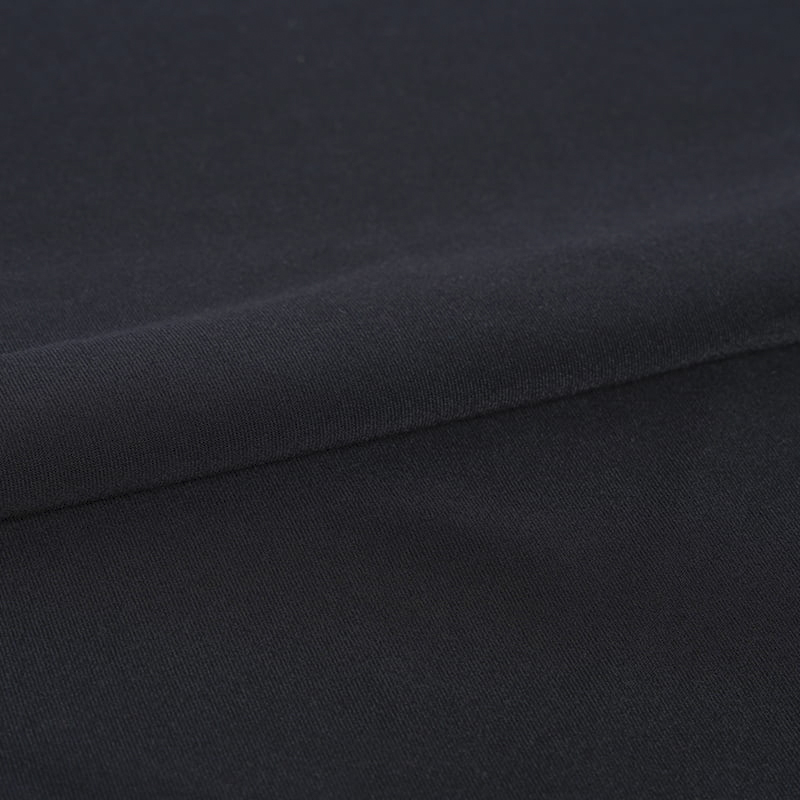
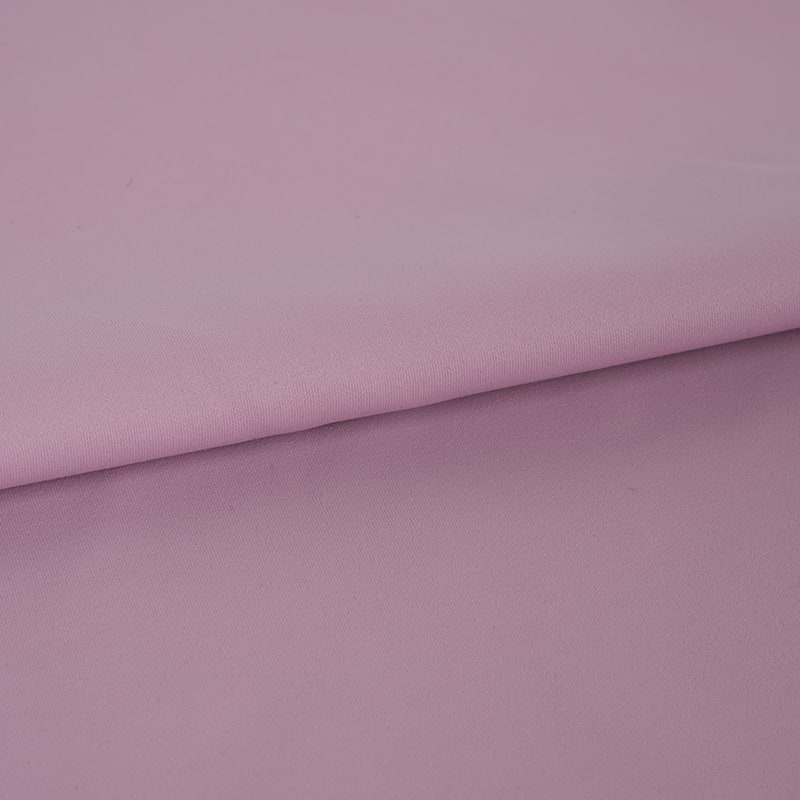
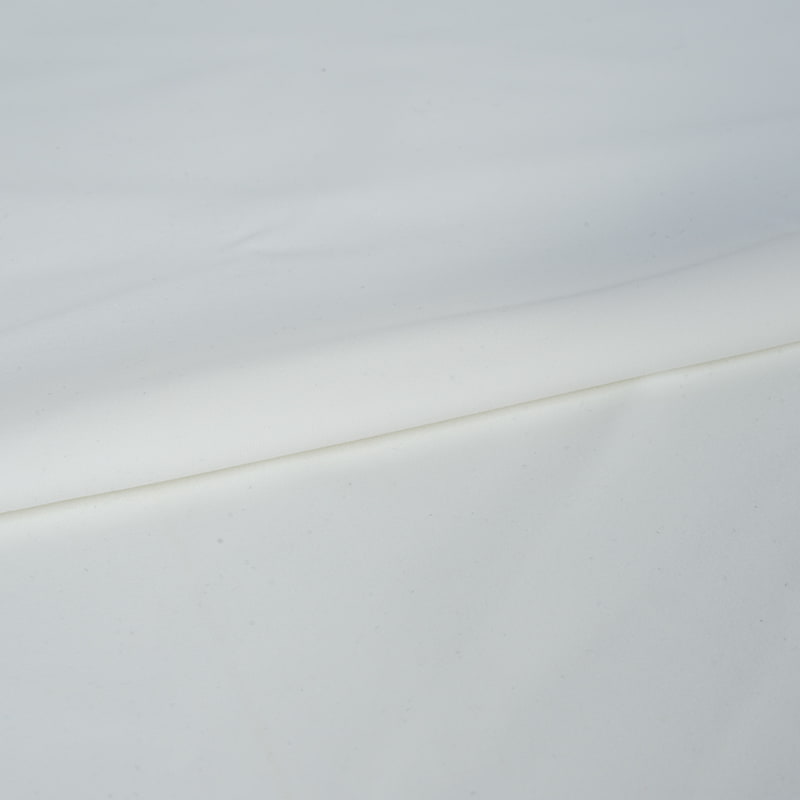
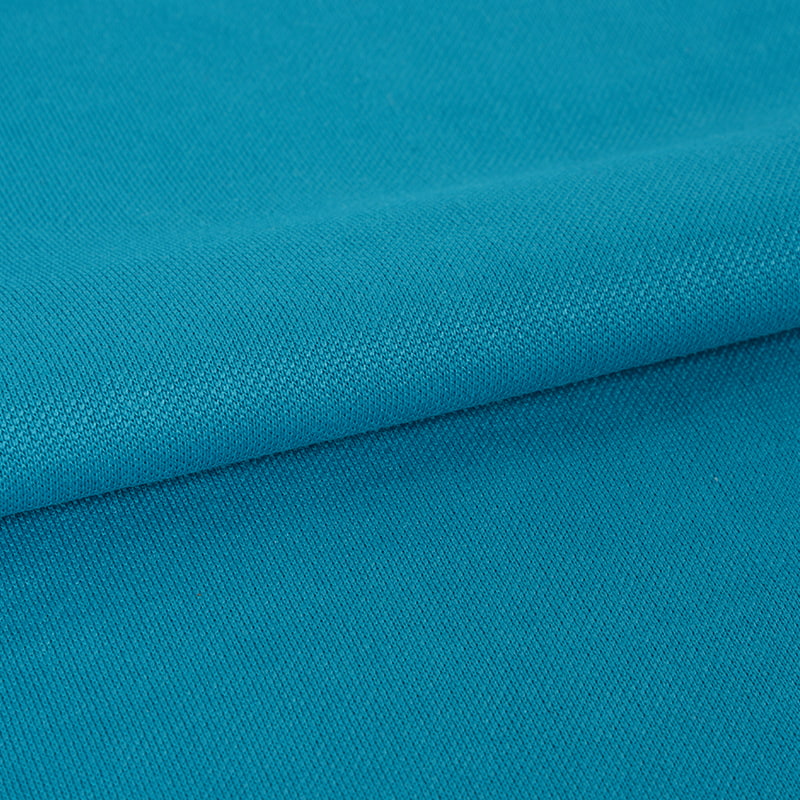
Double-sided fabric, sometimes called double-faced or double-knit fabric, is constructed using a knitting technique that produces two distinct, fully finished surfaces on a single layer of material, rather than one face of the fabric plus a separate raw or unfinished backing. In simpler single-jersey knits, only one side of the fabric is designed to be visible, with the reverse side typically left with looped or less refined texture. Double-sided fabric, by contrast, is engineered so that both faces are clean, stable, and intentionally designed — meaning a garment can be worn essentially "either way" in terms of surface finish, or more commonly, can combine two different functional surfaces within one integrated fabric layer.
In the context of athleisure, this construction is typically used to combine a smooth, matte, or subtly textured technical face on the outside of a garment with a soft, brushed, or moisture-managing face on the inside, creating a single fabric that performs two jobs at once: presenting a refined, elevated appearance suitable for everyday wear, while delivering comfort and functional performance against the skin during movement.
Athleisure occupies a unique position in the apparel market: garments need to transition seamlessly between structured, active movement and casual, everyday settings, often within the same day. This dual demand has driven fabric innovation toward materials that do not force a compromise between performance and aesthetics.
Traditionally, achieving both a polished outer appearance and a soft inner feel required either a single fabric that compromised on one attribute, or a garment constructed with two separate fabric layers bonded or sewn together. Double-sided knitting technology allows both surfaces to be produced simultaneously within a single knitting process, reducing bulk, improving drape, and often lowering production complexity compared to true two-layer bonded constructions.
Because double-sided fabrics are inherently constructed with more yarn density and structural complexity than a basic single-jersey knit, they often provide superior opacity — a critical performance attribute for leggings and fitted athleisure bottoms, where see-through fabric under stretch is a common and reputation-damaging quality failure.
The denser, more structured nature of double-sided knits typically improves a garment's ability to hold its shape through repeated wear and washing, resisting the sagging, bagging, or pilling that can affect lighter, single-layer performance fabrics over time.
Most premium double-sided athleisure fabrics are produced on specialized circular knitting machines capable of forming two interconnected layers of loops simultaneously, using separate yarn feeds for the face and back of the fabric. This technique allows manufacturers to select different yarn types, weights, or finishes for each side, tailoring the outer and inner surfaces independently while still producing a single, integrated fabric rather than two fabrics joined afterward.
The outer face of a premium double-sided athleisure fabric is often constructed using finer, more tightly knit synthetic yarns — commonly nylon or polyester blends — chosen for their smooth hand feel, subtle sheen or matte finish, and durability against abrasion. The inner face frequently incorporates yarns selected specifically for next-to-skin comfort and moisture management, such as brushed polyester for a soft, fleece-like touch, or moisture-wicking synthetic blends engineered to pull sweat away from the skin during exercise.
Nearly all premium athleisure fabrics, double-sided or otherwise, incorporate elastane (spandex) fibers knitted throughout the structure to provide stretch and recovery. In double-sided constructions, elastane is typically integrated into both the face and back knit structures, ensuring the fabric stretches and recovers consistently across its full thickness rather than only on one surface, which helps maintain even compression and shape retention during dynamic movement.
Unlike bonded double-layer fabrics, where two separately knitted or woven layers are laminated together using adhesive, true double-sided knit fabric is formed as a single interconnected structure during the knitting process itself. This distinction matters for durability, since bonded fabrics can be prone to delamination or peeling over time, particularly with repeated washing, while genuinely double-knit fabric maintains its integrated structure throughout its usable life.
| Attribute | Single-Jersey Fabric | Premium Double-Sided Fabric |
|---|---|---|
| Number of finished faces | One | Two |
| Opacity under stretch | Lower, can show through | Higher, more reliable coverage |
| Structure and drape | Lighter, more fluid | Denser, more structured |
| Typical use case | Basic tees, lightweight layers | Leggings, joggers, structured outerwear |
| Shape retention over time | Moderate | Generally superior |
A well-engineered inner face draws perspiration away from the skin and spreads it across a wider surface area, promoting faster evaporation and helping the wearer stay dry and comfortable during exercise. This moisture-wicking performance is one of the most consistently prioritized attributes in premium athleisure fabric development, since comfort during activity is central to the category's core value proposition.
Premium double-sided fabrics are engineered to stretch smoothly in both the lengthwise and widthwise directions, accommodating the full range of motion required in activities such as squatting, lunging, or overhead reaching, while reliably returning to their original shape afterward rather than becoming permanently stretched or misshapen.
Despite their denser, more structured construction compared to lightweight single-layer knits, well-designed double-sided fabrics are engineered to maintain adequate airflow through the knit structure, preventing the fabric from trapping excessive heat during exercise.
Many premium double-sided fabrics are specifically engineered to provide a level of gentle compression, supporting muscles during activity and contributing to the smooth, second-skin fit that has become closely associated with premium legging and athleisure bottom construction.
The tighter, denser knit structure typical of double-sided fabric generally offers improved resistance to pilling and abrasion compared to lighter single-jersey alternatives, an important consideration for garments subjected to repeated friction from activities like yoga mats, gym equipment, or seated positions.
Many premium athleisure fabrics, particularly those intended for higher-intensity activity, incorporate antimicrobial treatments or inherently odor-resistant fiber technology on the inner face, helping garments stay fresher between washes.
Nylon-based double-sided fabrics are prized for their smooth, slightly lustrous surface finish, excellent recovery, and durability, making them a popular choice for premium legging and bottom construction where a refined, elevated appearance is a priority alongside performance.
Polyester-based double-sided fabrics tend to offer strong moisture-wicking performance, good colorfastness, and often a more matte finish, making them well suited to a broad range of athleisure applications, from tops to outerwear layers.
A growing share of premium athleisure fabric is produced using recycled nylon or recycled polyester, derived from sources such as post-consumer plastic bottles or pre-consumer manufacturing waste, allowing brands to offer performance-equivalent double-sided fabric with a reduced reliance on virgin synthetic material.
For cooler-weather athleisure pieces, such as joggers and structured jackets, double-sided fabric is sometimes constructed with a lightly brushed or fleece-like inner face, adding a layer of warmth and softness while maintaining a smooth, technical outer surface.
Leggings represent one of the most demanding applications for double-sided fabric, requiring reliable opacity, strong four-way stretch, and a smooth, flattering outer surface, all while maintaining comfort against the skin during extended wear and high-intensity movement.
Premium joggers often use double-sided fabric to combine a clean, matte technical exterior — suitable for pairing with more polished, street-ready outfits — with a soft, brushed interior for comfort during lounging or low-intensity activity.
Lightweight athleisure jackets frequently rely on double-sided fabric to achieve a structured, tailored outer appearance without requiring a separate lining, reducing overall garment bulk while still delivering a soft, comfortable inner layer.
Double-sided construction is also used in fitted tops and sports bras, where the combination of a smooth, supportive outer surface and a moisture-wicking inner surface directly supports both the aesthetic and functional demands of the garment.
Producing genuine double-sided knit fabric at a premium quality level requires specialized circular knitting equipment and significant technical expertise, meaning brands typically source this fabric from mills with specific double-knit capability rather than general-purpose knitting facilities.
Reputable fabric suppliers conduct standardized opacity testing under stretch conditions, along with stretch and recovery testing, to provide brands with reliable performance data before committing to large production runs — testing that buyers should request and review carefully given how central these attributes are to premium athleisure garment quality.
Because double-sided fabric often uses different yarn types on each face, achieving consistent, colorfast dyeing across both surfaces requires careful process control, particularly for darker or more saturated color options where inconsistent dye uptake can be more visually apparent.
Premium double-sided fabric, particularly when custom-developed with a brand-specific yarn blend, finish, or weight, often involves higher minimum order quantities and longer development lead times compared to sourcing from a mill's existing stock fabric offerings, a consideration brands should factor into their production planning.
Proper garment care helps preserve the performance characteristics that make premium double-sided athleisure fabric valuable in the first place. Washing in cold water, avoiding fabric softeners (which can coat synthetic fibers and reduce moisture-wicking performance over time), and air-drying or using a low-heat dryer setting all help maintain the fabric's stretch recovery, opacity, and surface finish over repeated wear cycles. Turning garments inside out before washing can also help reduce surface abrasion and pilling on the outer face, preserving the refined appearance that defines premium athleisure pieces.
While double-sided fabric is generally denser than single-jersey alternatives, the defining characteristic is the presence of two distinct, purposefully finished surfaces — not simply added thickness for its own sake.
True double-sided knit fabric is produced as a single integrated structure during knitting, distinct from garments constructed with a separately knitted or woven lining sewn or bonded in afterward, which behave differently in terms of durability, drape, and long-term performance.
Modern recycled nylon and polyester yarns used in premium double-sided fabric construction are engineered to match the performance characteristics of virgin fiber equivalents, allowing brands to offer genuinely comparable stretch, durability, and moisture management alongside more sustainable sourcing.
Fabric innovation in the athleisure category continues to accelerate, with several trends shaping the next generation of premium double-sided textiles. Increasing use of recycled and bio-based fibers reflects growing consumer and brand demand for more sustainable material sourcing without sacrificing performance. Advances in yarn engineering are producing double-sided fabrics with even more refined surface finishes, further blurring the line between activewear and elevated everyday apparel. Additionally, some mills are exploring smart textile integration, such as fabrics engineered to actively regulate temperature or incorporate antimicrobial technology at the fiber level rather than through post-production chemical treatment, potentially extending the functional lifespan and performance consistency of future double-sided athleisure fabrics.
Premium athleisure double-sided fabric sits at the intersection of technical performance and elevated design, offering a single-layer solution that delivers a refined outer appearance and a soft, functional inner surface without the bulk or durability compromises of separately bonded fabric layers. From reliable opacity and four-way stretch to moisture management and shape retention, the engineering behind this fabric category directly supports the everyday demands athleisure garments are expected to meet — moving seamlessly from a workout to the rest of the day. For brands developing new collections and consumers evaluating garment quality, understanding what genuinely defines premium double-sided construction offers a clearer lens for distinguishing lasting quality from surface-level marketing claims.

 Address: Xinglian Village, Fuquan Street, Keqiao District, Shaoxing City, Zhejiang Province, China.
  Phone: +86-15958501675
  Email: [email protected]
For exclusive deals and latest offers, sign up by entering your email address below.
Coprright © Shaoxing Keqiao Ruijue Textiles Co., Ltd. All Rights Reserved. Custom Jacquard Jersey Fabric Manufacturers



 English
 Español