Content
A waffle fabric is a textile constructed with a raised, grid-like surface pattern formed by alternating floats in the weave or knit structure, creating small square or diamond-shaped pockets across the cloth that resemble the surface of a cooking waffle. This construction is not achieved through printing or embossing after the fact; the texture comes directly from how the yarns interlace during weaving or knitting, which means the raised pattern remains part of the fabric's structure through washing and wear rather than sitting on top as a surface treatment.
The textile has earned a place across household linens, apparel, and industrial wiping applications largely because the grid of raised pockets does more than create visual texture. Each recessed square traps a small pocket of air against the skin or against a surface, and this trapped air is what gives waffle fabric its particular combination of light insulation, quick moisture uptake, and a slightly stretchy hand feel compared with a plain flat weave of the same fiber.
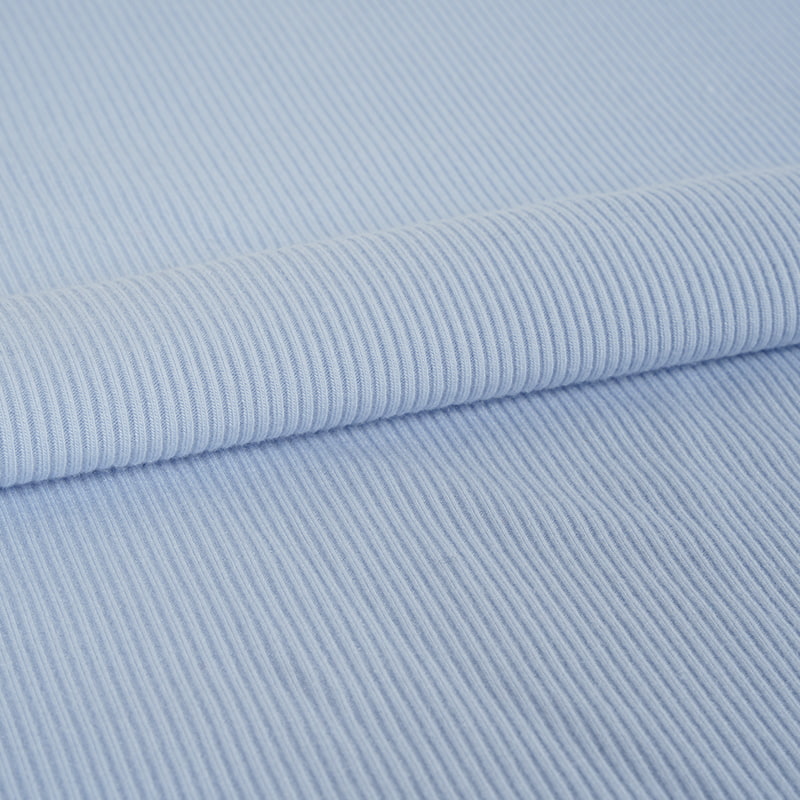
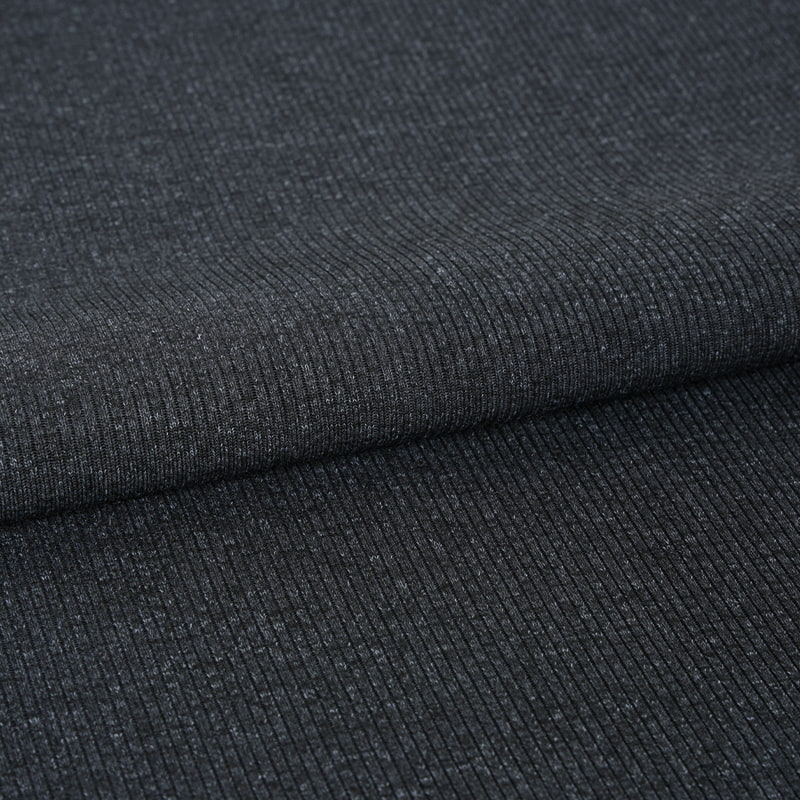
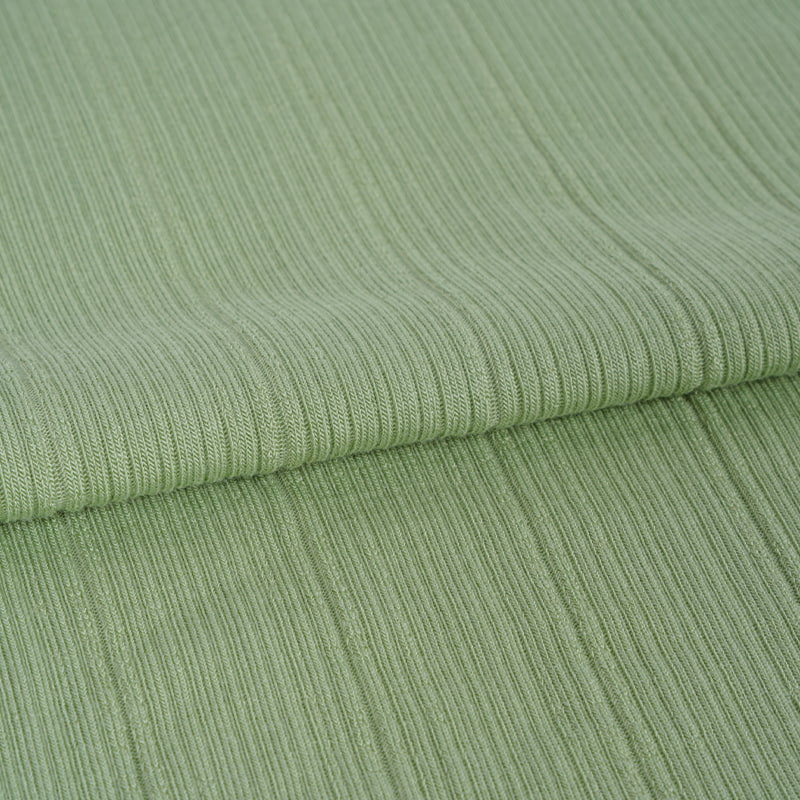
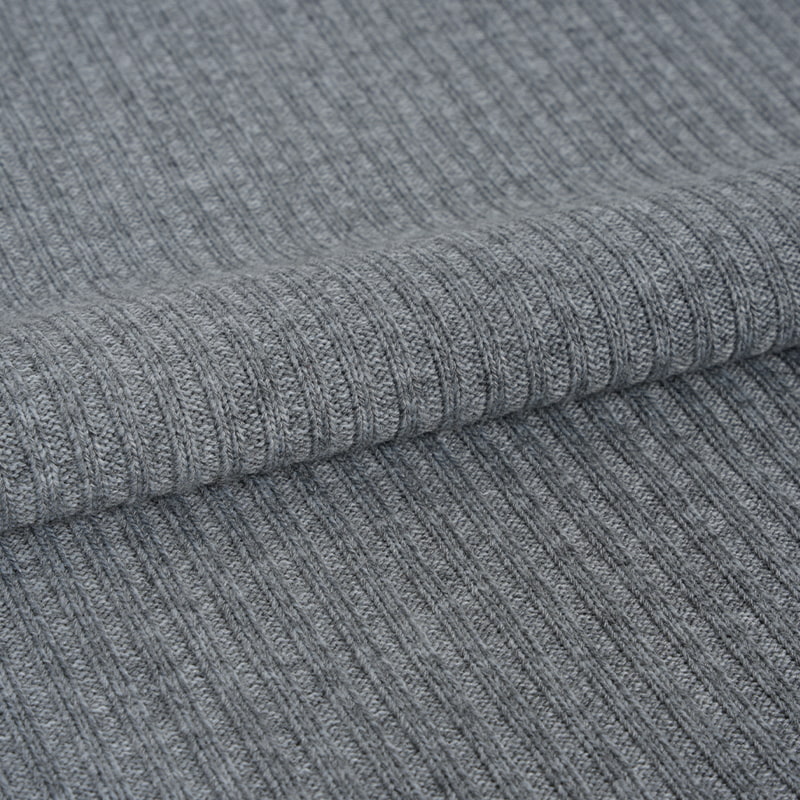
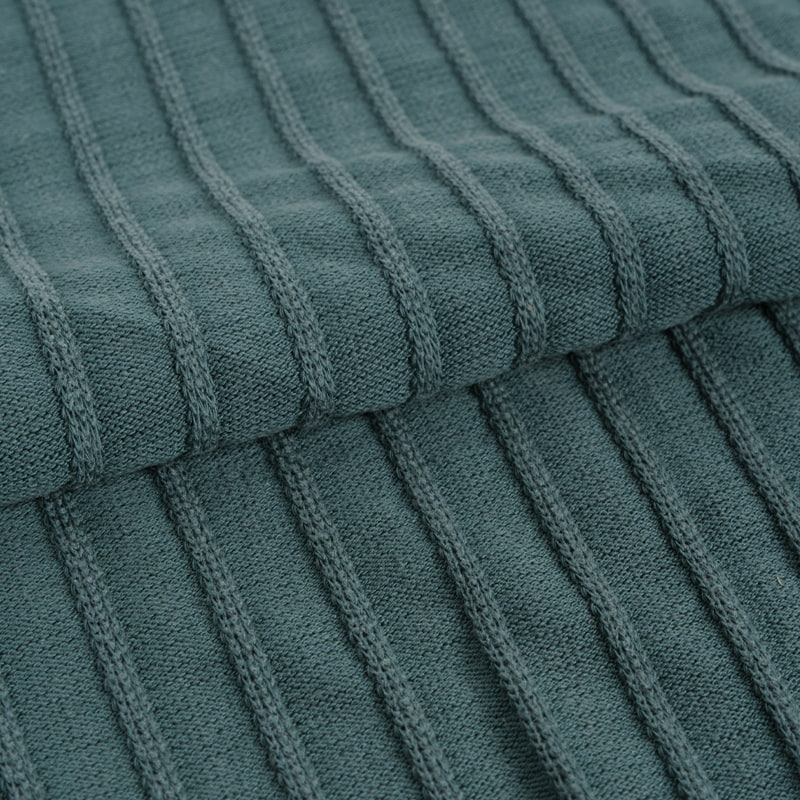
Honeycomb Weave CVC Blend Thermal Textile Kitchen Linen Knit Texture
On a loom, waffle fabric is typically produced through what is known as a honeycomb weave, where warp and weft yarns are programmed to float over several threads at a time in a repeating diamond or square sequence rather than interlacing one over one under, as in a plain weave. These floating sections rise slightly above the surface, while the tightly interlaced points sink, and the contrast between the two creates the raised grid pattern once the fabric is taken off the loom and allowed to relax.
On a knitting machine, a similar effect is achieved through a combination of knit and purl stitch sequences, or through tuck stitches that pull certain loops forward while leaving neighboring loops flat, producing a comparable pocketed texture in knitted goods such as waffle-knit shirts and thermal underlayers. The knitted version tends to have more stretch than the woven version, which is part of why it shows up frequently in fitted apparel rather than flat household linens.
Cotton remains a common fiber choice for waffle fabric because its natural absorbency pairs well with the pocketed structure, allowing the cloth to pull moisture away from a surface quickly, which is why cotton waffle weave shows up so often in kitchen towels and bath textiles. Cotton-polyester blends are also widely used, since the polyester content adds wrinkle resistance and dimensional stability while the cotton content preserves much of the absorbent quality.
A CVC blend, meaning chief value cotton, is one common way manufacturers balance these two fibers, typically using a cotton-majority ratio such as 60% cotton and 40% polyester so the fabric leans toward cotton's soft handfeel and breathability while still gaining polyester's resistance to wrinkling and shrinkage. This ratio sits at a middle point between fully cotton waffle cloth, which feels softer but wrinkles and shrinks more readily, and polyester-heavy waffle knits, which resist creasing but can feel less breathable against skin during extended wear.
Pure polyester or polyester-spandex waffle knits appear more often in performance apparel, where moisture-wicking behavior matters more than absolute absorbency and where added stretch from spandex content helps a fitted thermal layer move with the body. Some technical waffle fabrics incorporate recycled polyester fiber, processed from reclaimed plastic material, without changing the fundamental grid construction that defines the textile.
| Fiber Composition | Notable Property | Common Use |
|---|---|---|
| 100% cotton | High absorbency, breathable | Kitchen towels, bath robes |
| CVC (60% cotton / 40% polyester) | Soft handfeel with added wrinkle resistance | Loungewear, casual wear, home textiles |
| Polyester-spandex blend | Stretch, moisture-wicking | Thermal apparel, base layers |
| Recycled polyester | Similar performance to virgin polyester | Technical knits, casual apparel |
A flat, smooth fabric of the same weight offers little space for trapped air, since the yarns sit close and even against one another. The raised pockets in waffle fabric create small air chambers between the cloth and whatever surface it touches, and since still air is a relatively poor conductor of heat, these chambers slow heat transfer and give the fabric a warmer feel than a plain weave of comparable thickness, which explains its frequent use in thermal underlayers and lightweight blankets.
The same raised structure increases the surface area of the fabric relative to a flat cloth of identical yardage, since the peaks and valleys of the grid add dimension beyond a simple flat plane. Greater surface area exposed to air speeds up evaporation, which is part of why a waffle weave dish towel tends to dry both itself and the surfaces it wipes more quickly than a terry cloth towel of similar cotton content, even though terry cloth generally holds more total water due to its looped pile.
Fabric weight, measured in grams per square meter, also plays into how the texture behaves in use. A waffle cloth around 220 GSM sits at a moderate thickness that is common for garment-weight applications, heavy enough to hold its dimensional grid without collapsing flat, yet light enough to drape reasonably well for loungewear or casual shirting rather than behaving like a stiff home-textile weight fabric.
Looking at one representative cloth on the market helps illustrate how these variables come together in a finished product. A CVC waffle fabric blending 60% cotton and 40% polyester combines the soft, breathable handfeel expected from a cotton-majority textile with the added wrinkle resistance and shrink stability that the polyester portion contributes. At a weight of 220 GSM, the cloth falls into a moderate thickness range, substantial enough to hold its waffle grid clearly while remaining suitable for garments that need to move and drape with the body rather than sit rigid.
| Specification | Detail |
|---|---|
| Fabric code | RJ-3400406029 |
| Composition | 60% cotton, 40% polyester |
| Fabric weight | 220 GSM |
| Usable width | 155 cm |
A width of 155 cm gives pattern cutters reasonable flexibility across a range of projects, from loungewear and sportswear panels to towels and other home textile pieces, since a wider usable width generally reduces fabric waste during layout compared with narrower cloth that forces more piecing or seaming. The raised waffle texture on this type of blend produces a visibly three-dimensional mesh-like surface, which adds tactile interest to finished garments and textiles beyond what a flat cotton-polyester weave of the same composition would offer.
This kind of specification sheet reflects a fairly typical way waffle fabric is described and traded within the textile supply chain, where composition ratio, weight, and width are the core details a garment maker or home textile producer needs before committing the cloth to a specific pattern or product line.
Kitchen and bath textiles represent one of the largest categories for cotton-rich waffle weave, appearing in dish towels, hand towels, bathrobes, and washcloths where quick drying and a lint-free surface are valued, particularly for polishing glassware or drying dishes without leaving fibers behind. Bedding manufacturers use lighter waffle weave cotton for blankets and coverlets intended for warmer seasons, since the fabric provides a layer of warmth without the density and weight of a heavier woven blanket.
In apparel, waffle knit and CVC waffle woven fabric shows up in thermal henleys, long-sleeve base layers, loungewear sets, and casual sweaters, where the textured surface adds visual interest along with the functional benefit of trapped-air warmth. Sportswear panels sometimes use a moderate-weight CVC waffle cloth for its balance of stretch-free structure and breathability, particularly in warm-up layers worn before or after more intense activity rather than during it. Some industrial and automotive cleaning cloths also rely on a waffle weave structure, since the raised grid helps lift dust and debris from a surface into the recessed channels rather than simply pushing it around, a practical benefit in wiping applications outside of clothing and home textiles altogether.
Because the raised grid depends on floating yarns holding their shape, excessive heat from a dryer combined with repeated tumbling can gradually flatten the texture over many wash cycles, which is why lower heat settings tend to preserve the dimensional pattern longer than high-heat drying. Overloading a washing machine with heavier items alongside a waffle weave towel or garment can also compress the raised pockets through friction, so washing these textiles with similarly lightweight items generally keeps the grid pattern more defined for a longer period.
Cotton-majority waffle weave items, including CVC blends, may shrink somewhat during their first few washes as the yarns relax into their final woven tension, a normal part of the fabric settling rather than a defect, and this initial shrinkage is often factored into pattern sizing by garment and home textile producers working with this construction. Because the polyester portion of a CVC blend resists shrinking more than pure cotton, the overall dimensional change after washing tends to be somewhat smaller than what a 100% cotton waffle cloth of similar weight would show.

 Address: Xinglian Village, Fuquan Street, Keqiao District, Shaoxing City, Zhejiang Province, China.
  Phone: +86-15958501675
  Email: [email protected]
For exclusive deals and latest offers, sign up by entering your email address below.
Coprright © Shaoxing Keqiao Ruijue Textiles Co., Ltd. All Rights Reserved. Custom Jacquard Jersey Fabric Manufacturers



 English
 Español