Content
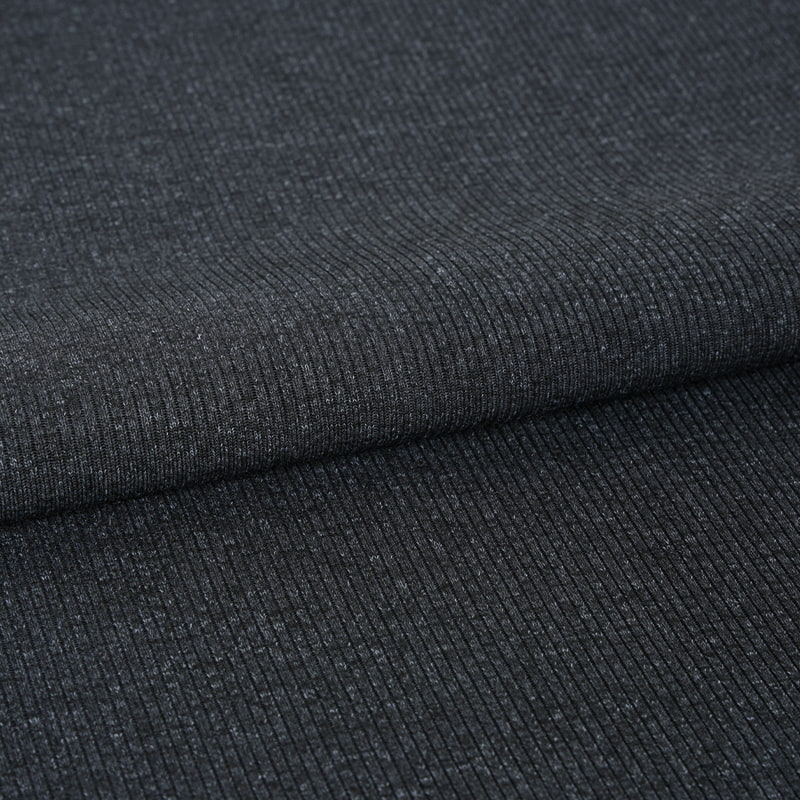
Pique fabric is widely used in summer clothing because its raised knit surface creates small air spaces between the textile and the skin, helping improve ventilation and moisture movement during warm conditions. Unlike smooth jersey fabrics with a flatter contact surface, pique fabric uses a textured construction that changes how air, heat, and perspiration move through the garment.
The performance of a summer fabric depends on more than fiber content alone. Yarn properties, knitting method, fabric density, weight, and finishing treatments all influence how a garment feels in hot environments. Pique fabric has a distinct surface structure created through tuck knitting techniques, forming raised patterns and recessed areas across the textile. This three-dimensional structure affects air circulation and reduces the amount of fabric that remains in continuous contact with the skin.
In comparison with conventional single jersey fabrics, pique provides a different wearing experience because the textured surface creates additional pathways for airflow. These spaces allow heat generated by the body to disperse more easily, while moisture from perspiration can spread across a larger area of fabric before evaporation occurs.
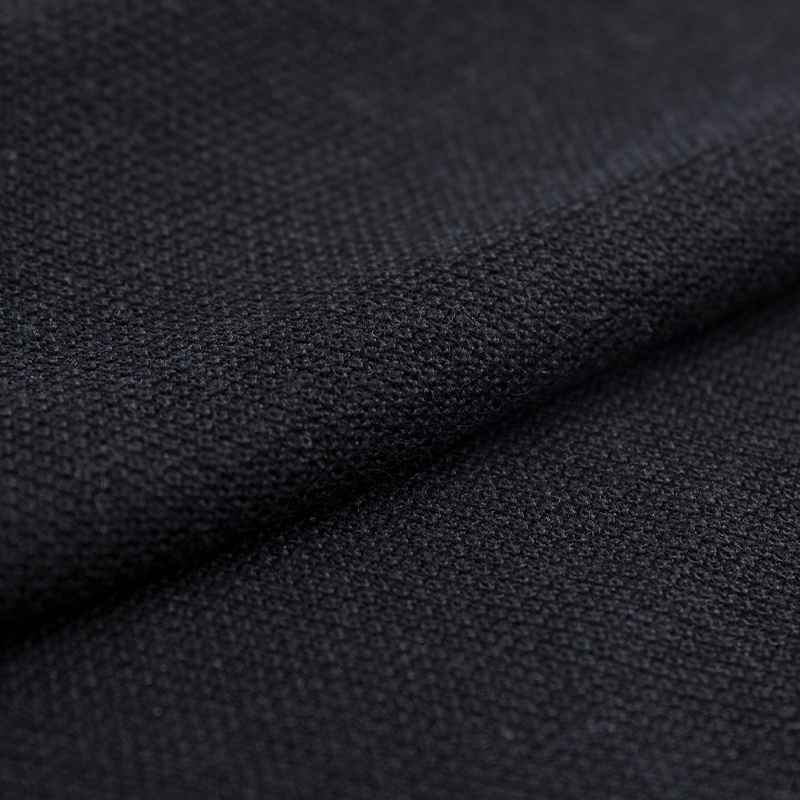
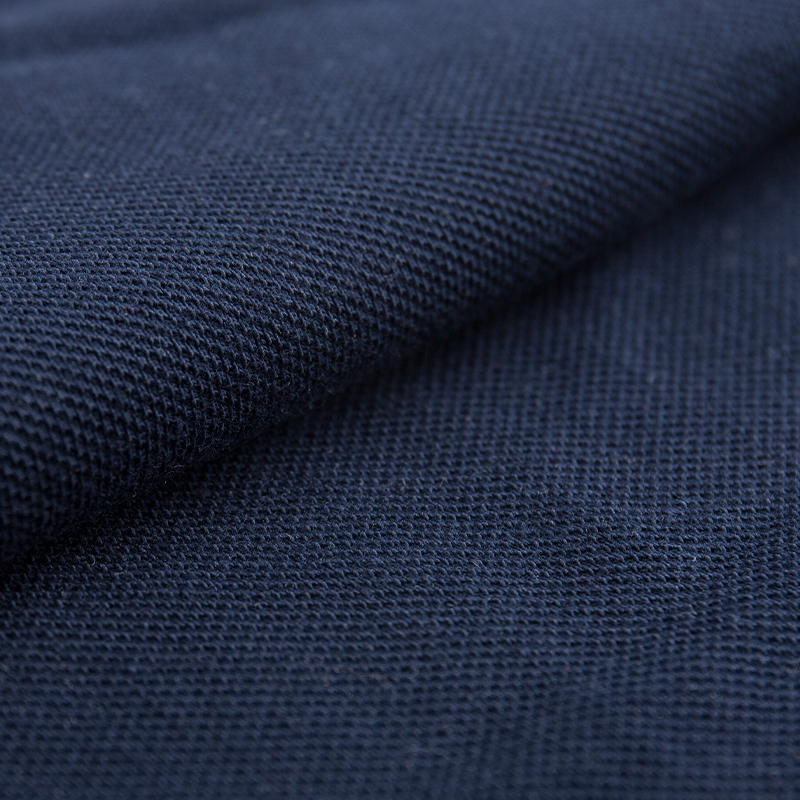
The characteristic texture of pique fabric comes from the arrangement of knitted loops rather than from an additional surface coating or mechanical treatment. During production, tuck stitches are incorporated into selected areas of the knit structure, causing parts of the fabric surface to rise slightly. Depending on the knitting design, the result can appear as a honeycomb pattern, fine geometric texture, or a more open relief surface.
These raised areas influence the relationship between fabric and skin. A flat fabric tends to maintain broader contact with the body, which can create a warmer feeling when moisture accumulates. Pique reduces direct contact points by introducing small gaps within the surface structure. The air contained in these spaces supports natural heat exchange and helps the garment feel less restrictive during extended wear.
Moisture management in textiles involves absorption, spreading, and evaporation. Pique construction supports this process by increasing the fabric surface area exposed to air. When sweat reaches the textile, the textured surface allows moisture to distribute through different sections of the fabric instead of remaining concentrated in one area.
The effectiveness of this process depends on the fiber used in the fabric. A cotton pique and a synthetic blend pique may have the same surface structure but behave differently because cotton absorbs moisture into the fiber, while polyester-based fibers tend to move moisture along the yarn surface and dry more quickly.
Although pique knitting creates the foundation for airflow, fiber selection determines how the fabric handles moisture, temperature changes, and repeated use. Cotton remains one of the commonly selected fibers for pique because its natural cellulose structure allows it to absorb water vapor and liquid moisture. A 100% cotton pique fabric around 200–230 GSM provides a balanced structure suitable for casual shirts and everyday summer garments.
Cotton’s moisture absorption helps reduce the feeling of sweat remaining directly on the skin, but the fiber also retains moisture once saturated. Drying speed is affected by fabric thickness, surrounding airflow, and finishing methods. For applications requiring quicker moisture release, textile manufacturers often introduce regenerated or synthetic fibers into the pique structure.
Fiber blends allow pique fabrics to combine different textile characteristics within one construction. A Tencel, silk, and linen blend pique with a composition of 55% Tencel, 25% silk, and 20% linen at approximately 130 GSM creates a lightweight fabric with a soft hand feel and natural surface appearance. Tencel contributes moisture regulation and smoothness, silk provides lightweight drape, while linen adds a dry touch associated with warm-weather textiles.
For garments that require more body and structure, heavier regenerated fiber blends can be considered. A pique fabric containing 70% modal and 30% Tencel at around 260 GSM has a fuller texture while maintaining softness and fluid movement. Such constructions are often selected for summer garments where appearance, comfort, and shape retention need to be balanced.
Fabric weight is measured in grams per square meter (GSM), which indicates the amount of textile material contained within a specific area. In pique fabrics, GSM affects not only the overall feel of the garment but also how quickly heat and moisture move through the structure. A lightweight pique around 120–150 GSM usually has a softer drape and allows more air exchange, making it suitable for lightweight shirts, summer tops, and garments designed for active movement.
Medium-weight pique fabrics around 180–230 GSM provide a more stable structure while maintaining the ventilation characteristics created by the textured knit surface. This weight range is commonly used for polo-style garments because it offers enough body for collar shaping and garment durability without creating excessive bulk during warm weather.
Heavier pique constructions above 240 GSM have a denser hand feel and improved shape stability. Although the raised knit structure still supports airflow, the increased fabric mass affects thermal sensation compared with lighter versions. These fabrics are generally considered when a garment requires a more structured appearance, stronger coverage, or a more substantial texture.
| Fabric Composition | Approximate Weight | Typical Characteristics |
|---|---|---|
| 100% Cotton Pique | 200–230 GSM | Moisture absorption, natural hand feel, suitable for everyday summer garments |
| Tencel / Silk / Linen Blend Pique | Around 130 GSM | Lightweight structure, smooth touch, moisture management, flowing drape |
| Modal / Tencel Blend Pique | Around 260 GSM | Soft surface, fuller texture, better garment shape support |
Pique fabric has maintained its place in summer clothing because its structure provides a practical balance between comfort, durability, and appearance. The textured surface gives garments a more dimensional look than flat jersey fabrics, while the knitted construction allows flexibility and ease of movement.
Cotton pique continues to be used for casual shirts because it can withstand frequent washing and maintains a familiar natural texture over time. Its breathable structure makes it suitable for daily wear in warm climates, particularly in garments where a slightly textured appearance is preferred.
Performance-oriented apparel often uses modified pique constructions by adjusting fiber blends, yarn count, and fabric finishing. Adding moisture-management fibers can improve drying behavior, while maintaining the raised surface pattern that gives pique its recognizable ventilation characteristics.
Premium summer garments may use lighter natural fiber blends to achieve a different balance between breathability and visual quality. Fabrics containing Tencel, linen, silk, or other regenerated fibers can provide softer touch, improved drape, and a refined surface while keeping the textured knit structure associated with pique.
The suitability of pique fabric for summer clothing comes from the interaction between its knit structure and fiber properties. The raised surface improves air movement around the body, while the selected fibers determine how moisture is absorbed, transported, and released. By adjusting knit design, GSM, and composition, pique fabrics can be developed for different types of warm-weather garments, from lightweight casual clothing to more structured summer styles.

 Address: Xinglian Village, Fuquan Street, Keqiao District, Shaoxing City, Zhejiang Province, China.
  Phone: +86-15958501675
  Email: [email protected]
For exclusive deals and latest offers, sign up by entering your email address below.
Coprright © Shaoxing Keqiao Ruijue Textiles Co., Ltd. All Rights Reserved. Custom Jacquard Jersey Fabric Manufacturers



 English
 Español