Content
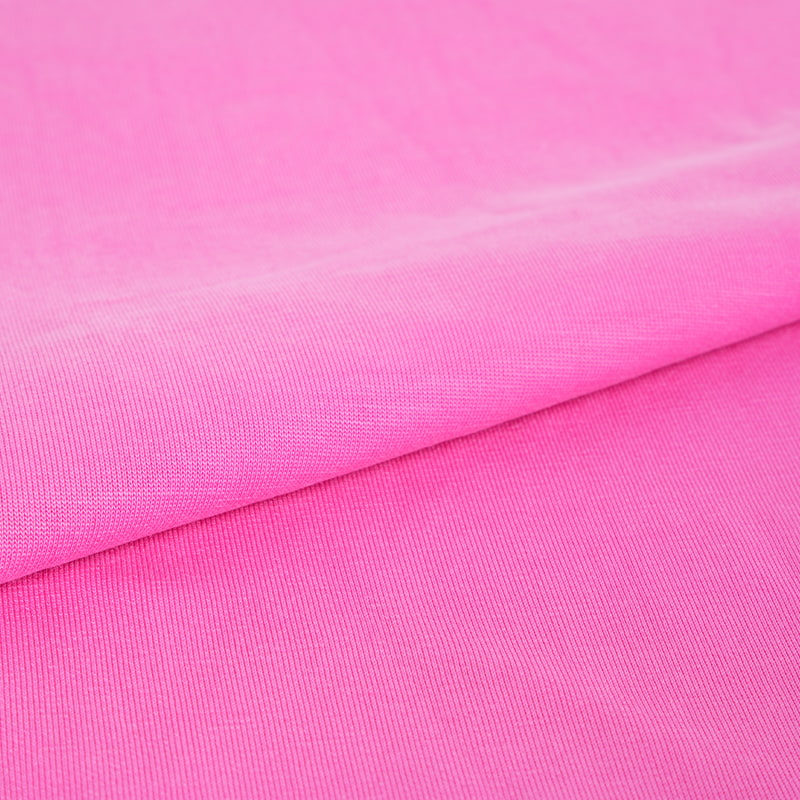
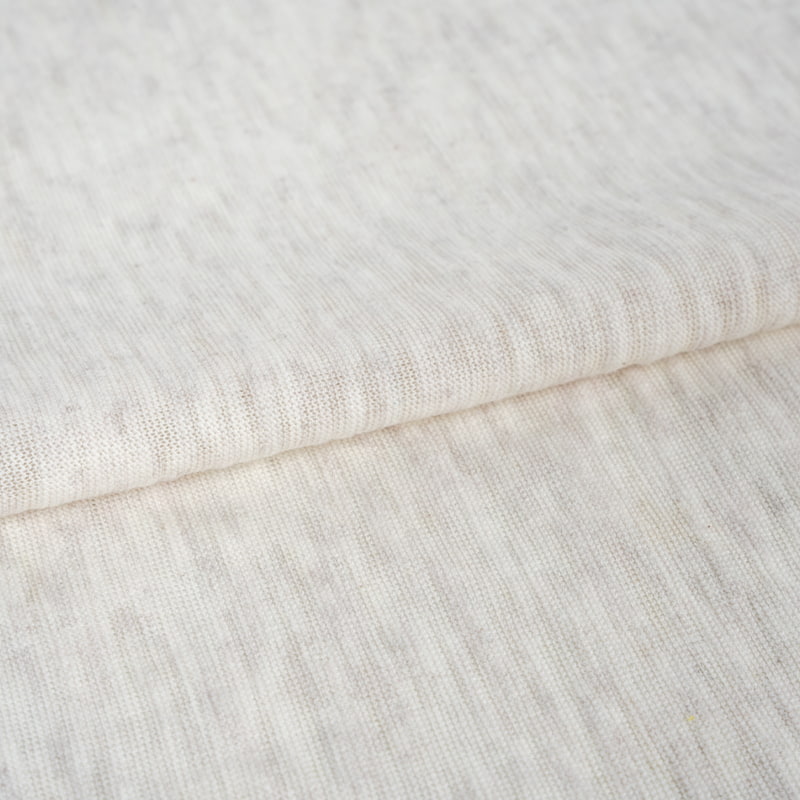
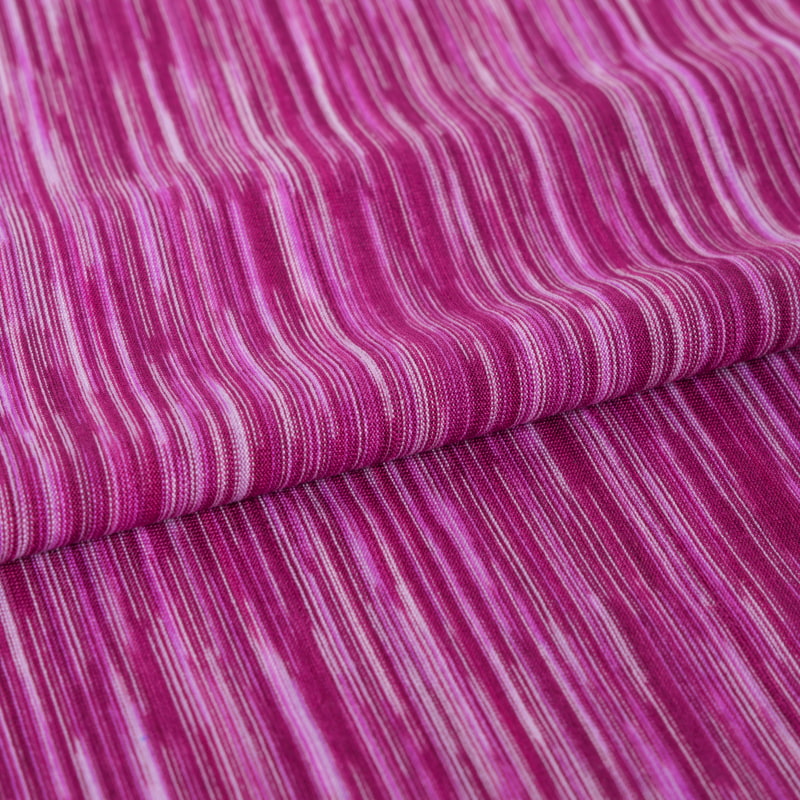
If two swatches of the same modal-cotton knit land on your desk, and one feels like a T-shirt that has survived fifty laundering cycles while the other feels flat and stiff, the difference is almost never the yarn. It is the finish. Sand washed fabric is fabric, woven or knit, that has been tumbled against sand, pumice, or abrasive enzymes until the surface fibers lift and soften. The treatment leaves a faint matte bloom, a suede-like hand, and colors that read gently faded rather than chemically new. One fact matters especially to buyers: sand washing is a finishing process, not a fiber type. You can specify it on cotton jersey, T/R air layer, or silk crepe alike, and each base cloth will respond differently to the same wash curve.
Put plainly, sand washing is controlled abrasion: the finish roughs up only the outermost fibers so the body of the cloth stays intact while the surface turns soft, matte, and gently distressed.
Inside the mill, rolls are loaded into industrial drums with fine sand, pumice particles, or enzyme blends, plus water and softeners. As the drum turns, the abrasive medium rubs microscopic fiber ends loose from the surface. Those raised ends scatter light instead of reflecting it, which is why washed fabric looks softer in color, and they also remove the crisp, unbroken hand you feel on untreated cloth. The technique became famous on silk, where it produced a chamois-like, peach-fuzz surface that plain silk never has, and it moved into cotton and cellulosic blends because the effect is just as visible on them. Spec sheets list the same fabric under other names, including sueded finish, doeskin finish, and peach finish, and they all describe the same family of surface treatments.
Stone washing is a cousin, not a synonym. Stone washing uses larger pumice stones and mainly serves denim contrast fading, while sand washing targets hand-feel and surface bloom across fiber types.
If you need the mill-side variables, such as abrasive media, wash duration, temperature, and moisture control, our industry explainer on the sand washing process, fiber types, and finish behavior covers them step by step.
Cellulose-rich fibers show the effect clearly, and stable knit structures hold both the softness and the stretch after washing. Silk is still the reference point, but cotton, modal, rayon, and bamboo dominate commercial production because their surface fibers fuzz predictably instead of melting. Polyester responds more quietly: the hand improves, but the vintage bloom is muted, which is why sand washed polyester usually shares the yarn with modal, rayon, or cotton. Spandex is compatible, yet wash curves must stay gentle so the elastane keeps its recovery.
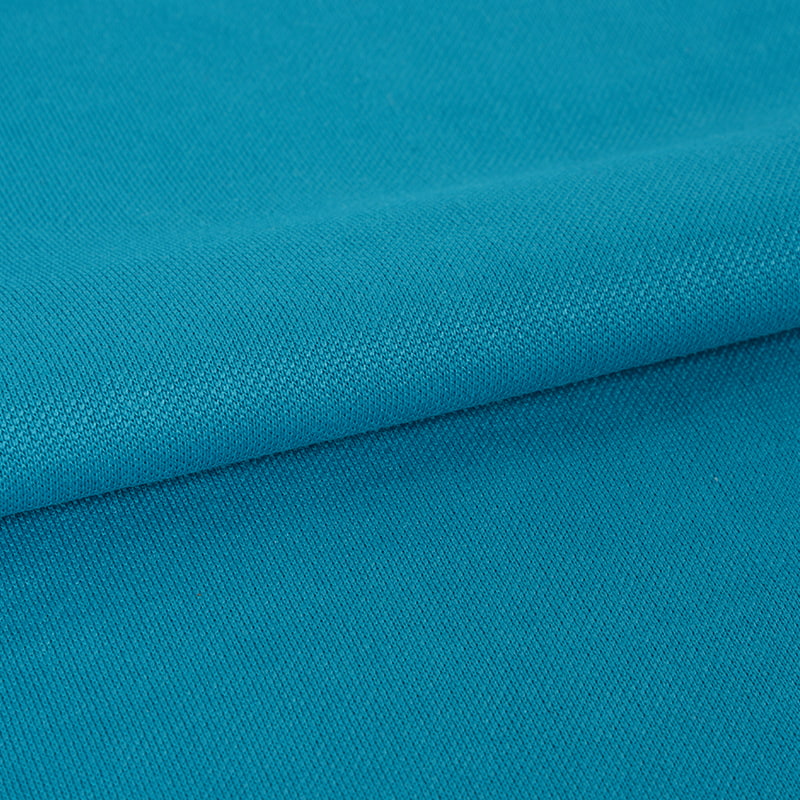
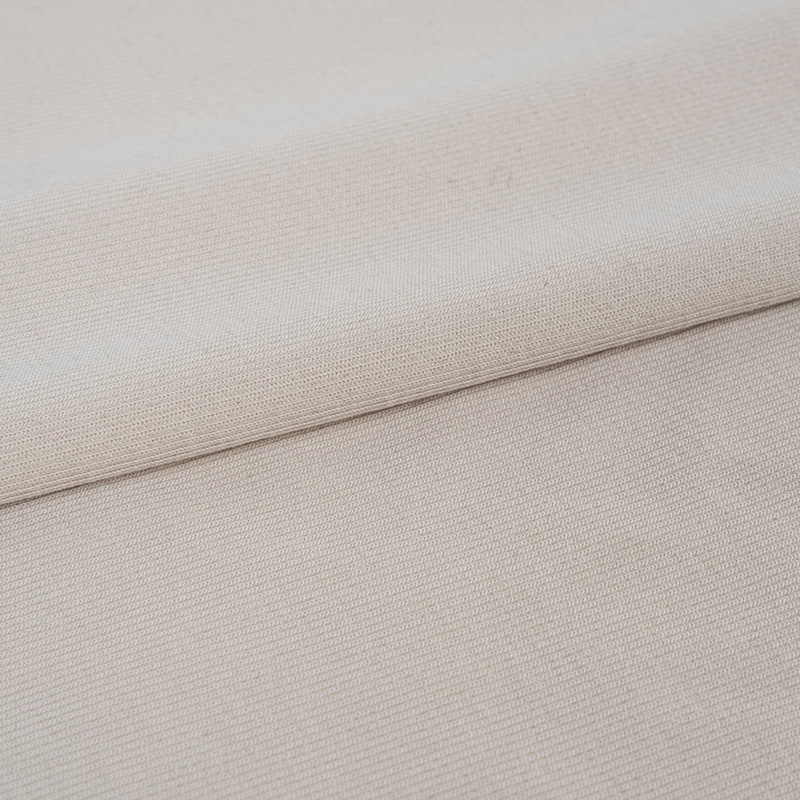
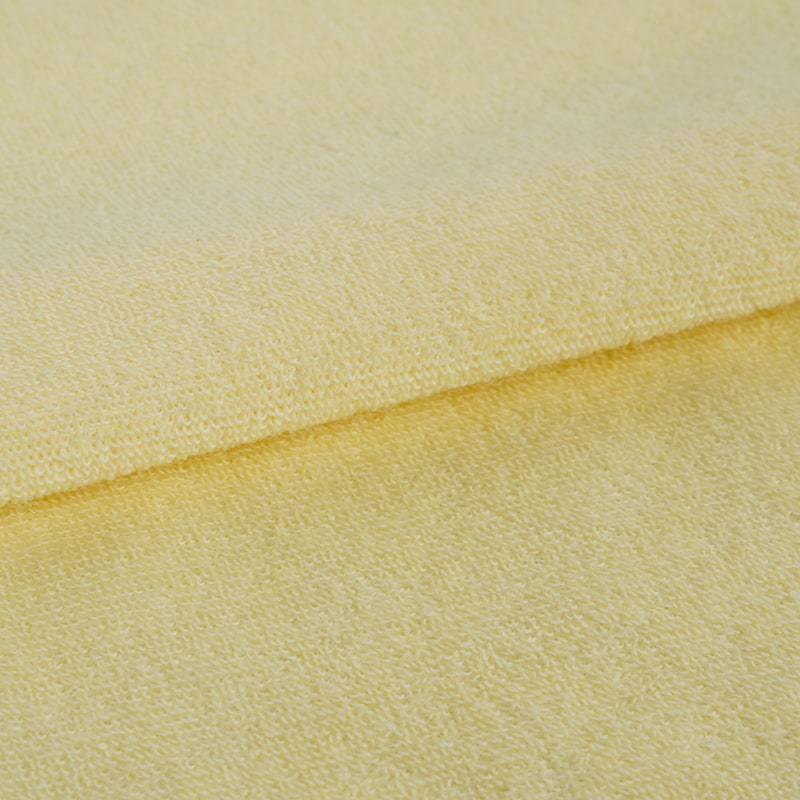
On the knit side, four structures do much of the work: jersey for everyday tops and dresses, air layer where a garment needs body, rib for cuffs, waistbands, and fitted panels, and terry for loungewear where loop softness matters. The table below summarizes how the finish behaves on each.
| Base structure | What the finish adds | Typical applications | Watch-outs |
|---|---|---|---|
| Cotton, modal or bamboo jersey | Soft, broken-in hand with a matte surface | Tees, dresses, loungewear | Shade drift between lots |
| T/R or modal air layer | A soft face on a structured, full-bodied knit | Sweatshirts, structured tops | Finished GSM runs a few percent light |
| 1x1 and 2x2 rib | Supple cuffs and body panels that keep their snap | Cuffs, waistbands, fitted knits | Re-test stretch recovery after washing |
| Terry | Plush loops without the scratchy feel | Hoodies, lounge sets | Over-washing thins the pile |
| Silk or cotton wovens | Chamois-like drape and a vintage surface | Blouses, scarves | Higher strength loss if pushed hard |
The base structure sets the ceiling on the outcome. A loosely spun yarn will generally fuzz faster than a compact one, no matter how long the drum turns, so discuss yarn counts with your supplier alongside the wash recipe.
Treat the finish as a spec-changing step. Weight, shade, and shrinkage all move, so any number measured before washing is unreliable for ordering.
Abrasion removes a small share of surface fiber, so finished rolls commonly arrive a few percent lighter than the greige target; a 220 gsm knit may land near 210 gsm after washing. The upside is dimensional stability, because tumbling works like a mechanical pre-shrink and reduces movement during later home laundering. Confirm both figures on washed samples rather than on the roll, and write the tolerances into the order.
Sand washing desaturates shades slightly and can drift from lot to lot, since wash time and media condition vary between runs. Approve lab dips on finished fabric, not greige, and set a numeric tolerance; for typical apparel work a grey-scale rating of 4 or better is a fair line. If your program needs tight continuity, ask how the mill controls wash duration and media replacement between lots.
Abrasion trades against strength. Within a normal curve the loss is small; pushed too far, the surface thins and tensile values fall. Pilling often improves early because loose fibers are removed, but excessive washing roughens and weakens the face. Ask for tensile or burst results on the finished lot before releasing bulk production.
Many disputes in this category trace back to approving the wrong sample or accepting numbers measured before the finish. The checklist below closes those gaps.
Every item costs little to request, and each one removes a familiar source of claims after bulk delivery.
Use the finish where next-to-skin comfort and an elevated hand justify the added processing: tees, dresses, loungewear, cuffs, and soft-structured tops.
For everyday tops and dresses, sand washed jersey is the classic choice, and double-sided versions give a soft, matte face on both sides of the garment.
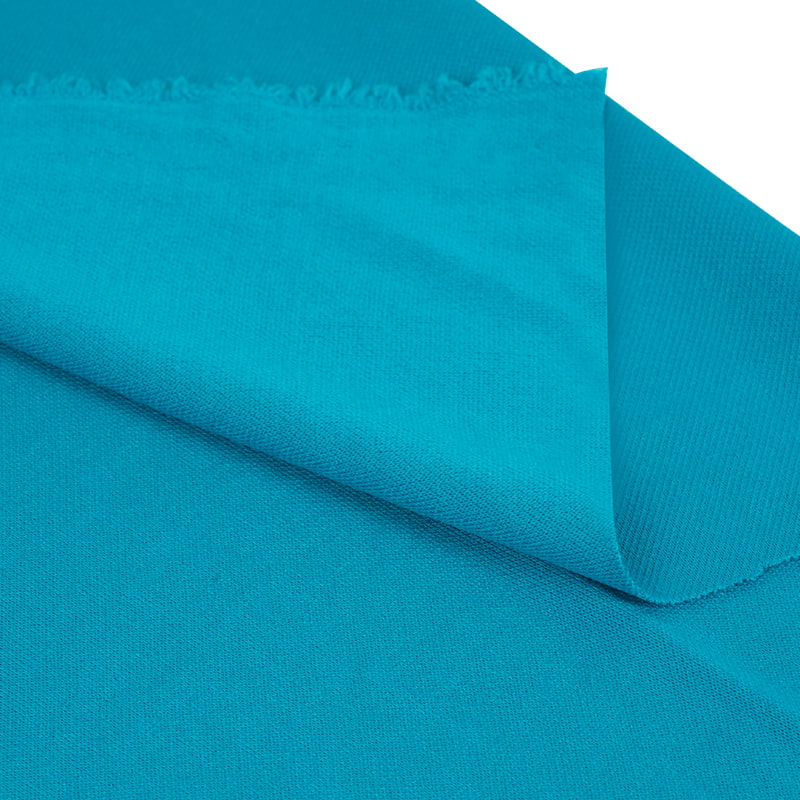 Sand-Washed Pearl Double-Sided Modal JerseyA 65% modal, 35% polyester double-sided jersey with a soft, matte face on both sides. Sand washing improves wear resistance and tear integrity, making it a reliable base for everyday tops and dresses.View Product →
Rib knits carry the finish well in cuffs, waistbands, and body panels, where a supple surface matters as much as recovery.
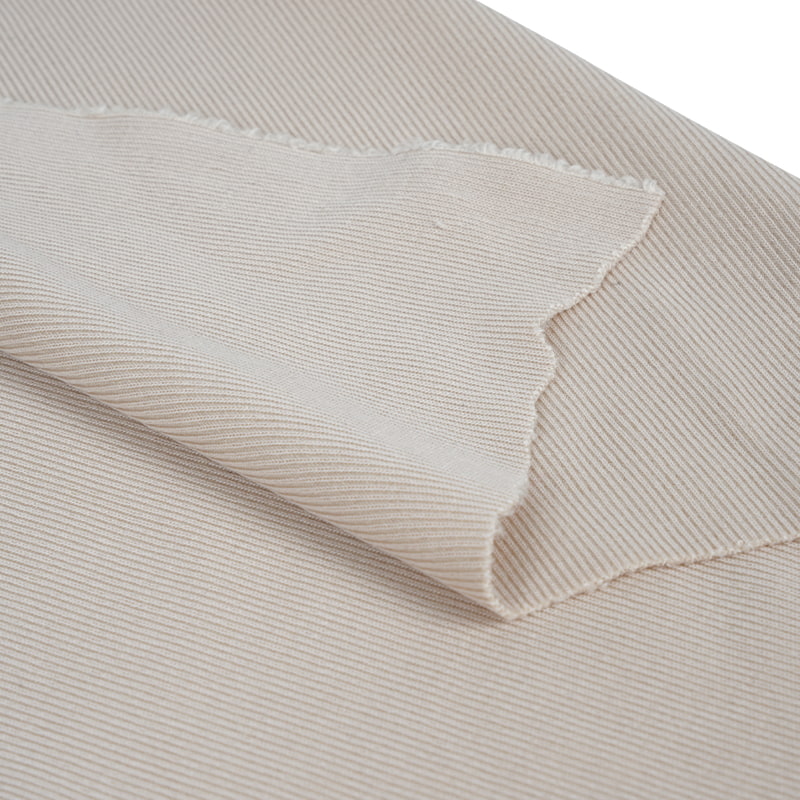 Sand Washed Modal 1x1 Rib FabricA modal-rich 1x1 rib with spandex for stretch and recovery, plus polyester for stability. The washed finish keeps cuffs, waistbands, and body panels supple while holding shape through wear and washing.View Product →
Air layer is the sleeper pick: the double-knit body holds structure while the washed face delivers the vintage hand, a combination that suits sweatshirts and elevated basics.
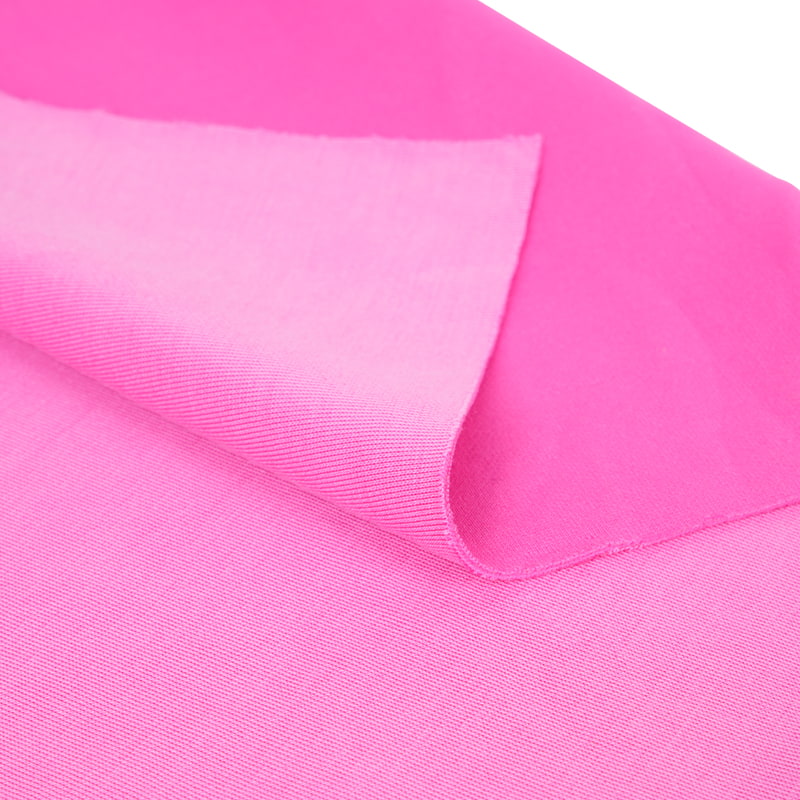 Sand Washed Modal Polyester Air Layer FabricA double-knit air layer with a vintage washed face and structured body. It suits sweatshirts, lightweight outerwear, and elevated basics where stability and a soft hand matter together.View Product →
To compare these structures side by side, browse the full sand washed fabric collection and shortlist the base cloths that match your program.
Sand washed fabric is not a mystery material; it is a base cloth plus a controlled finishing step. Judge it the way you judge any knitted or woven good, by composition, structure, and finish together, and the hand-feel becomes a repeatable specification instead of a pleasant surprise. Buyers who lock down washed samples, finished GSM, and shade tolerance early rarely fight color or shrinkage claims later.

 Address: Xinglian Village, Fuquan Street, Keqiao District, Shaoxing City, Zhejiang Province, China.
  Phone: +86-15958501675
  Email: [email protected]
For exclusive deals and latest offers, sign up by entering your email address below.
Coprright © Shaoxing Keqiao Ruijue Textiles Co., Ltd. All Rights Reserved. Custom Jacquard Jersey Fabric Manufacturers



 English
 Español